Climate KIC and ICOS partner to explore co-owned biorefinery model with Arrabawn-Tipperary co-operative
A pioneering feasibility study has launched in Ireland’s mid-west to define a new collaborative model for regional biorefineries.
The initiative, titled ‘Comhar BIA’ (Collaborative Bio-Industrial Alliance) aims to unlock value from agricultural and food processing side streams by setting up a network of regional co-owned biorefineries that produce renewable energy, bio-fertilisers, bio-materials, chemicals, as well as food and feed ingredients.
Led by the Irish Co-operative Organisation Society (ICOS) in partnership with Climate KIC, Europe’s leading climate innovation agency, the project is supported by a feasibility study grant of €50,000 by Enterprise Ireland under their ‘Smart Regions Innovation Fund’, with matched funding from the Golden Jubilee Trust.
“These biorefineries could bring significant economic opportunities for regions whilst accelerating decarbonisation across multiple sectors” said TJ Flanagan, CEO of ICOS. “Centring the project on co-operatives ensures a locally-led approach, complemented by the right partners, feedstocks, pathways and market outputs so that each biorefinery is appropriately located, sized, funded and developed with the communities it serves”.
Bioeconomy in practice
The study will assess the technical and economic viability of a regional biorefinery model based on co-operative ownership, focusing on anaerobic digestion as a core technology, with potential for integrating other complementary technologies over time. It will also explore the feasibility of an shared services entity to support the commercialisation of collaborative bioeconomy projects.
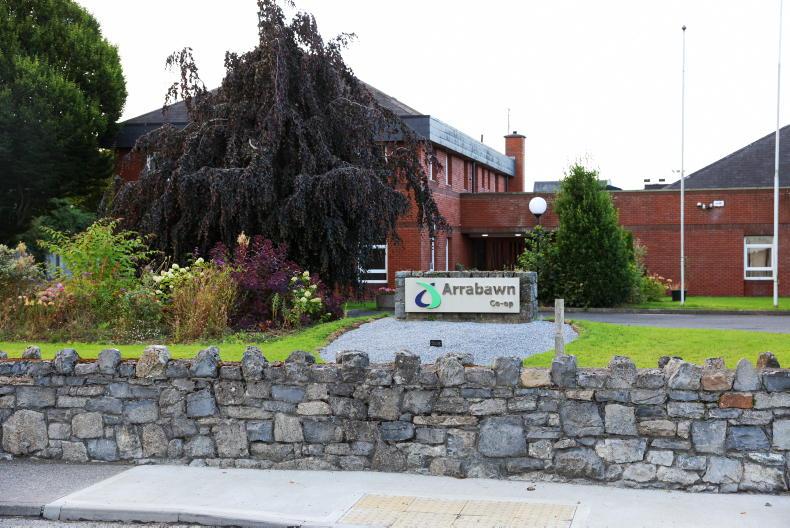
Following a competitive expression of interest process in early 2025, Arrabawn-Tipperary Co-operative was selected to participate in the initial study, based on its access to suitable feedstock from dairy processing side streams and location within a discrete rural catchment. The techno-economic analysis will be conducted by engineering consultancy AtkinsRéalis, with strategic input and guidance from ICOS and Climate KIC. It is expected to be completed by September 2025.
“Comhar BIA is a bold reimagining of how Ireland can use its bioeconomy potential to drive regional decarbonisation and economic renewal” said Denyse Julien, project lead at Climate KIC. “What makes this initiative unique is its cooperative backbone, bringing farmers, processors, local authorities, and communities together to co-develop shared bio-industrial infrastructure. Climate KIC is proud to have co-developed this approach, helping to shape a scalable model that goes beyond anaerobic digestion to embrace a full spectrum of bio-technologies. This is exactly the type of systemic innovations we need: designed to deliver climate impact, rural resilience, and industrial transformation.”
Next steps
Momentum is growing in Ireland around the potential of bioeconomy, with Bioeconomy Ireland Week in October and the Global Bioeconomy Summit in 2026 set to advance collaboration and investment in sustainable, circular bio-based solutions.
The Comhar BIA project has already attracted interest by other regions, and further funding will be sought to further develop the engineering design and business model for this first proposed facility.
The Comhar BIA project is co-funded by the Government of Ireland and the European Union through the ERDF Southern, Eastern & Midland Regional Programme 2021-2027. Additional Co-funding has been provided by the Golden Jubilee Trust.