
Why cities need business to hit net zero

In city halls across Europe, climate teams are rewriting the cast list for the transition. They still track emissions and technology options, but the key work now starts with a different question: which businesses, utilities, investors and employers have to be in the room if any of this is going to happen in the real world?
This article was originally published on the NetZeroCities website, here.
More and more cities are realising that they cannot achieve net zero alone. This shift in mindset is becoming increasingly apparent. Climate neutrality is no longer framed as something city halls impose on businesses and citizens, but as something that they work on together.
Recent NetZeroCities work, led by Climate KIC, shows that a climate-neutral future is achieved by residents, public servants, the private sector and other actors. One of the most frequently asked questions is how to finance the transition together with them. The cities involved in the EU Cities Mission have been actively developing solutions to address this challenge in collaboration with private-sector actors.
From Tenants to Partners
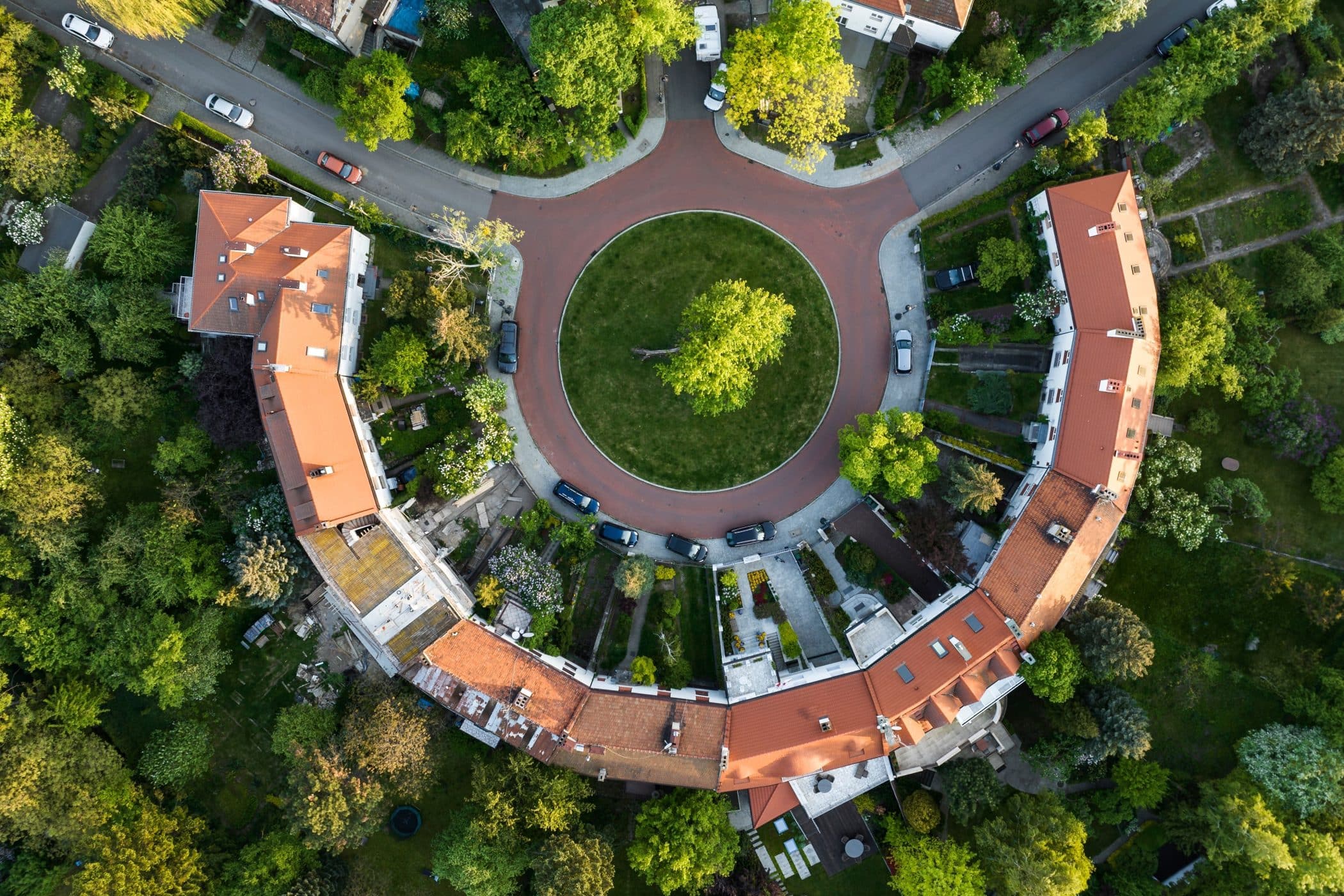
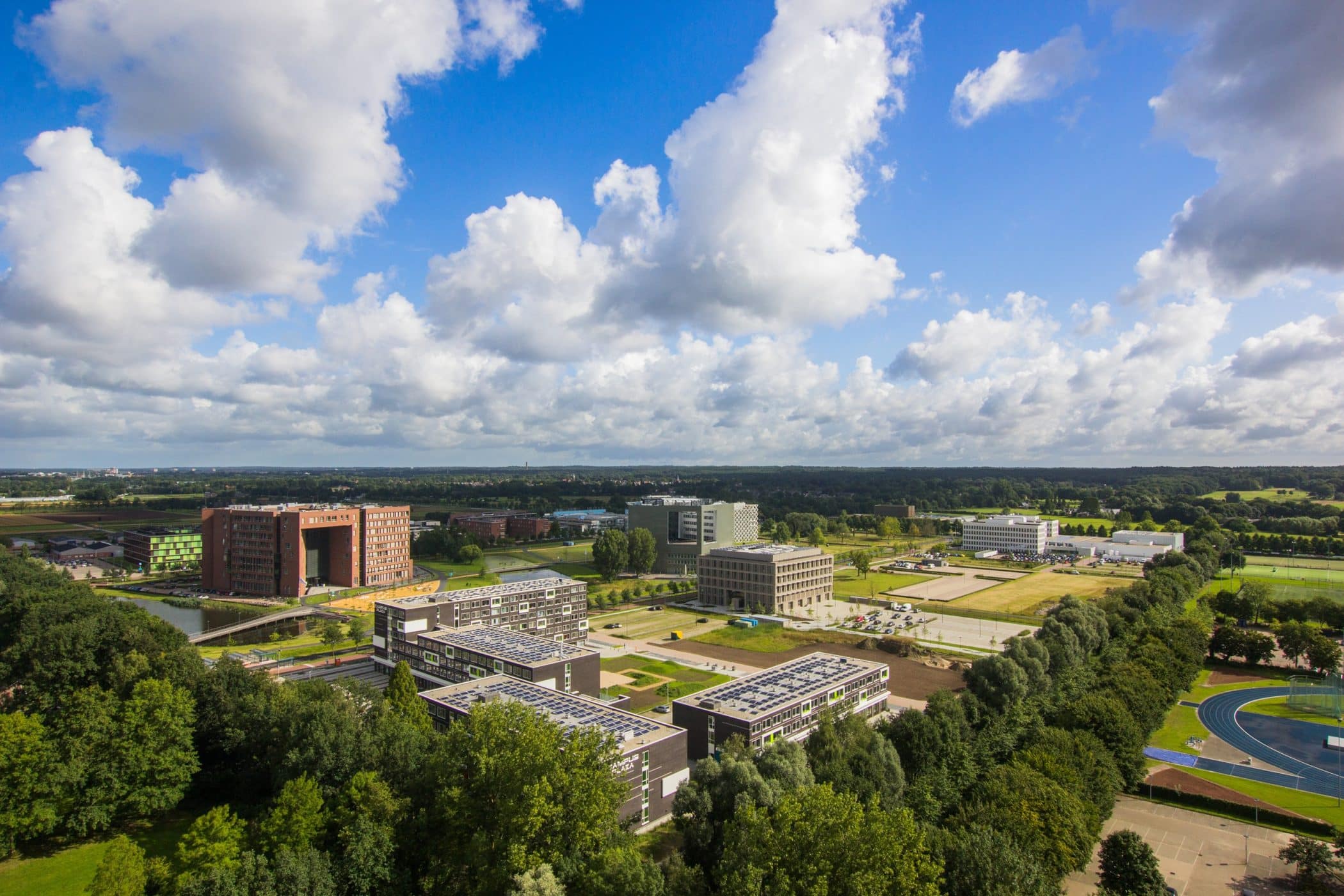
Nowhere is that clearer than in Espoo, on Finland’s southern coast. Espoo’s population is on track to double between 1990 and 2030, yet the city has pledged to be climate-neutral during that same period. Its biggest early gains have come from district heating, historically the main source of emissions, where 75 per cent of residents live in buildings supplied by a private utility-run system.
Climate specialist from the city hall, Mia Johansson, is blunt about what that means. The cuts achieved so far, she says, “were only possible because the company and the City of Espoo have committed to this transformation together.”.
Working with a business climate network, Espoo then convened investors from energy, grids, construction, retail and technology to ask what they need from a city before they will commit capital. The result is a climate investment framework that treats money as a chain running through land use, permitting, ecosystem building and innovation support, then back into jobs, emissions cuts and social impact. Instead of pitching one-off projects, Espoo is trying to offer a clear value proposition to businesses: understanding the city’s priorities, benefiting from stable regulatory guidance, and leveraging a local ecosystem that reduces investment risk.
Business as Climate Policymaker
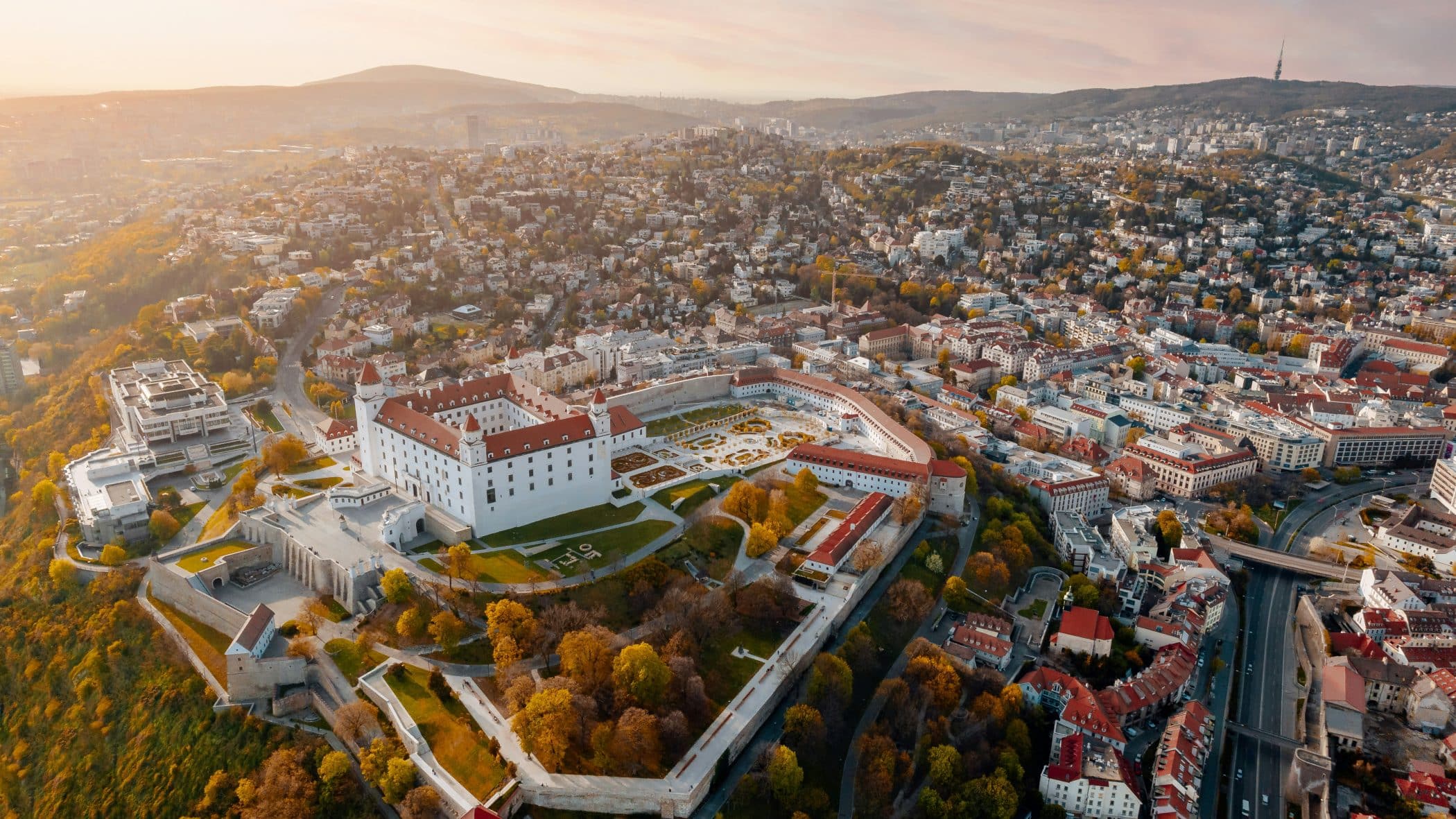
In Bratislava, the limits of municipal power are even starker. The city directly controls only around 11 per cent of its emissions. The rest falls largely with companies, residents and private transport. Project manager Marián Zachar, who leads the Mayor’s Climate Challenge, is under no illusions. “The city wants to lead by example through its own investments and policies, but at the same time it needs to motivate others to change,” he says.
Bratislava has turned its climate plan into a joint scorecard. Through the challenge, companies sign up to hard numbers on energy savings. Retail and real estate players have already committed to major cuts in energy use across a dozen large buildings, with planned solar installations covering a noticeable slice of the city’s 2030 renewables target for the tertiary sector.
The relationship runs both ways. When one participant wanted to install heat pumps but lacked space on its plot, the city fast-tracked permission to use a strip of municipal land. Officials talk about designing a process that makes climate-friendly investment easier.
Rewiring the Hardest Sectors
The areas where emissions are most stubborn are often where cities have least direct control. Construction sites, waste incinerators and district heating networks tend to be operated by semi-autonomous companies or special-purpose vehicles. Several cities are choosing to lean into precisely those relationships.
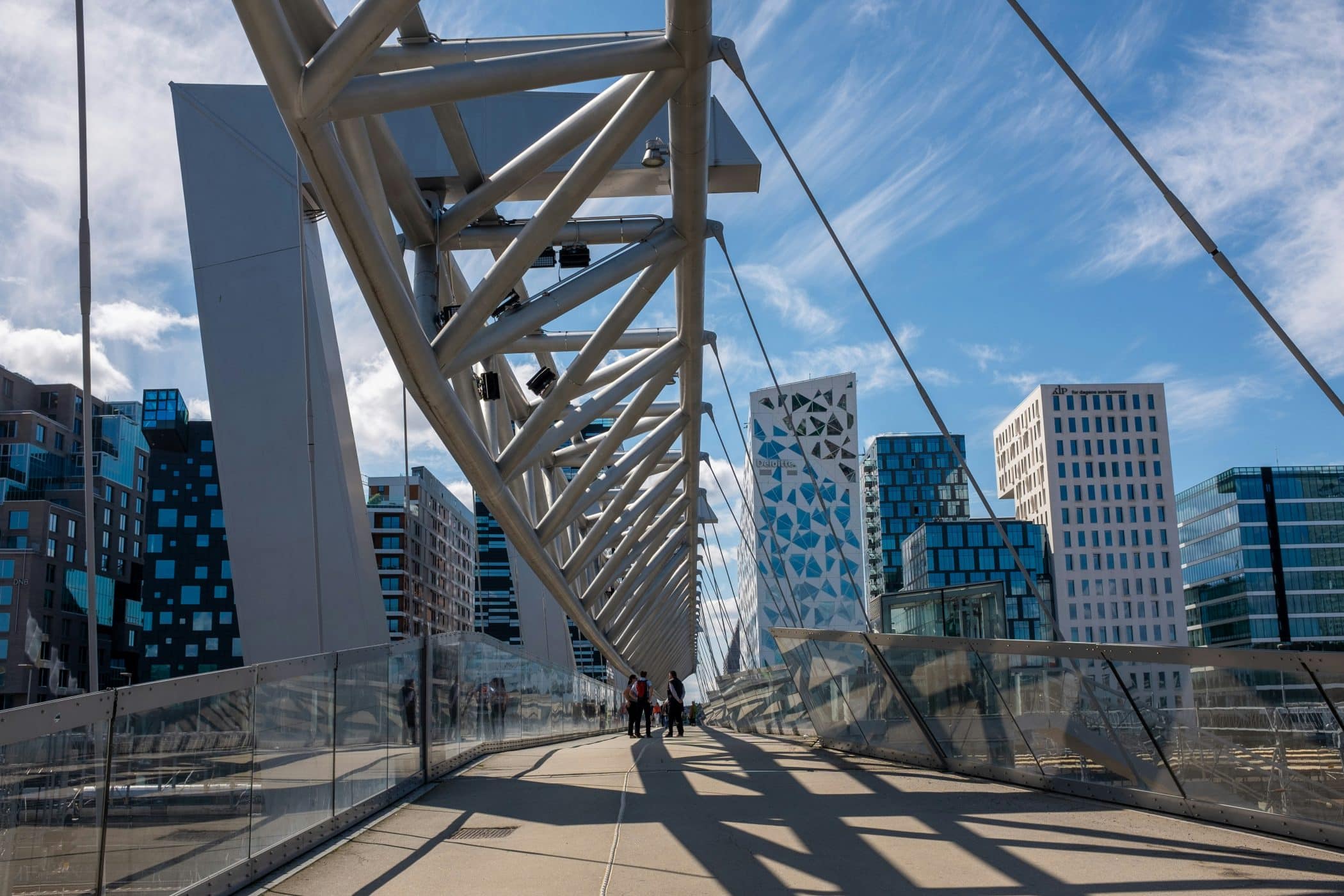
In Oslo, the PURE project has turned building sites into a test bed for zero-emission machinery. The city’s climate agency works with research institutes, energy utilities and equipment suppliers to electrify excavators and cranes and manage power demand. A new Zero-Emission Construction Forum brings together contractors, grid operators and ministries, and Oslo is already proposing local rules that would force large construction sites, public and private, to use mostly zero-emission energy by 2030. Officials say that when the city set ambitious requirements in procurement, “the market has responded with solutions”, with some firms now claiming they can deliver zero-emission sites as cheaply as fossil ones.
In Czechia, Liberec is tackling a different kind of hard problem: how to build a community energy scheme in a system dominated by a national for-profit monopoly. To achieve this, the city is setting up a new legal entity with relevant partners to attract private capital and citizen investment. Development manager at the city hall, Pavlína Tvrdíková puts it simply: “The city needs a structure that can attract private capital and address the finance gap if its first energy community is to survive”.
When Business Funds the Neighbours
With public budgets under pressure, several cities are experimenting with NGO-style fundraising from companies.
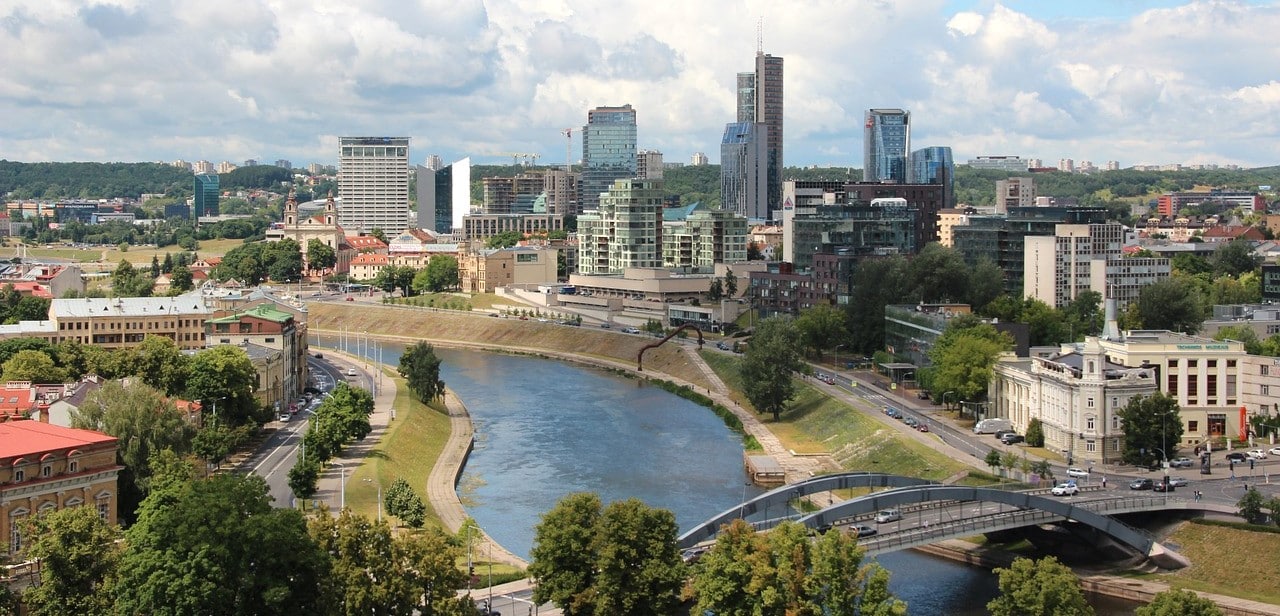
In Klagenfurt, officials created a Climate Fund after being unable to support a resident who wanted to organise a small climate-neutral picnic. The fund now awards grants to grassroots projects and is exploring branded products and tax incentives to keep the pot full. Vilnius has gone further. The city is borrowing tactics from charities: a call-centre campaign asks small and medium-sized enterprises to donate to citizen climate projects, while a face-to-face fundraising drive targets larger firms. “We are adopting fundraising methods used by NGOs for the municipality,” says project manager from the city hall, Erika Lukšėnaitė. The core idea is simple. If companies and residents can see where their euros go, they are more likely to part with them.
Climate Policy Starts at Work
In many cities, the workplace is becoming the frontline of behaviour change. The Finnish city of Lahti has been working with employers on commuting, tailoring mobility measures with participating organisations and their staff, from cycling incentives to parking changes. Companies take the lead in implementing these changes, directly cutting their carbon footprint, improving employee engagement, and clarifying which departments are responsible for commuting-related emissions.
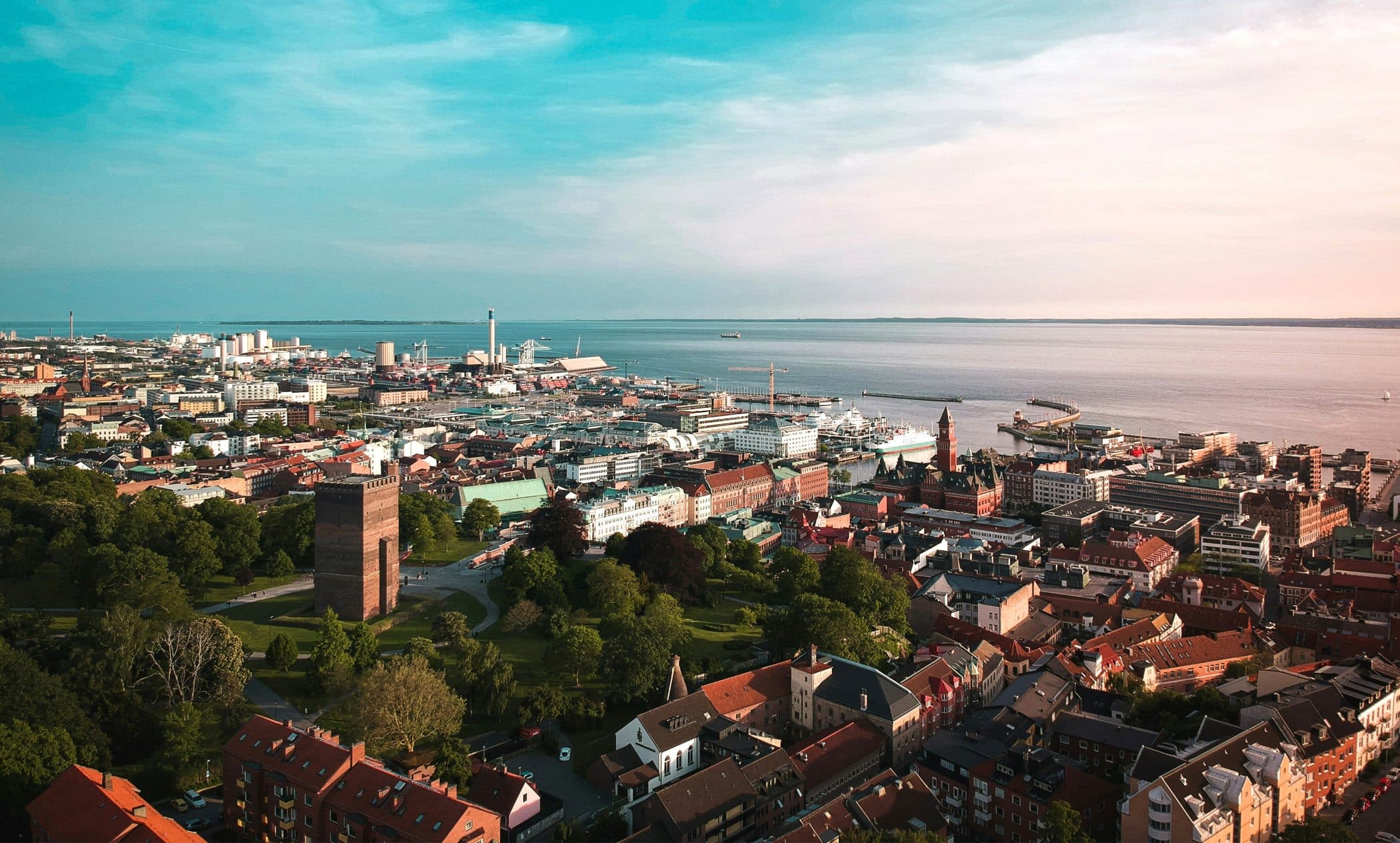
In Sweden, Helsingborg is using construction to rethink how the city and firms learn together. Its Co-Build project brings municipal staff, researchers, and private companies together for a series of workshops on new tools and real projects in the building sector. Participants were hesitant at first, one city official recalls, but after a while, they are collaborating and creating together. The aim is to turn those experiments into long-term procurement standards and investment rules that lock lower-carbon building into the market.
From Passengers to Co-Pilots
These examples are not isolated. In Malmö, energy companies, municipal firms and residents are reshaping whole districts around low-carbon heating and cooling. In Guimarães, more than 130 organisations, many from business and civil society, have joined a Climate Pact that now acts as a governance tool for the city’s transition. For Joanna Kiernicka-Allavena from Climate KIC, who helps oversee the Pilot Cities Programme work, the message is that the “deep transition is already underway, built street by street, neighbourhood by neighbourhood and through the collective decisions of residents, officials and companies”.
Back in Espoo, Johansson brings it down to the essentials. The city has spent years mapping who it really depends on, from utilities and investors to sports clubs and mental health groups, then investing in relationships with them. Civil society is treated as a partner rather than an audience. Climate investment is seen as part of economic strategy, not a separate green agenda. Above all, she says, “the change is made together in Espoo.”
For Europe’s climate-neutral cities, that is becoming the real test. Not just how fast they can cut emissions, but whether they can bring business firmly on board so that the transition is also their project, their risk and their opportunity.