
Putting solar in the hands of the people who need it most
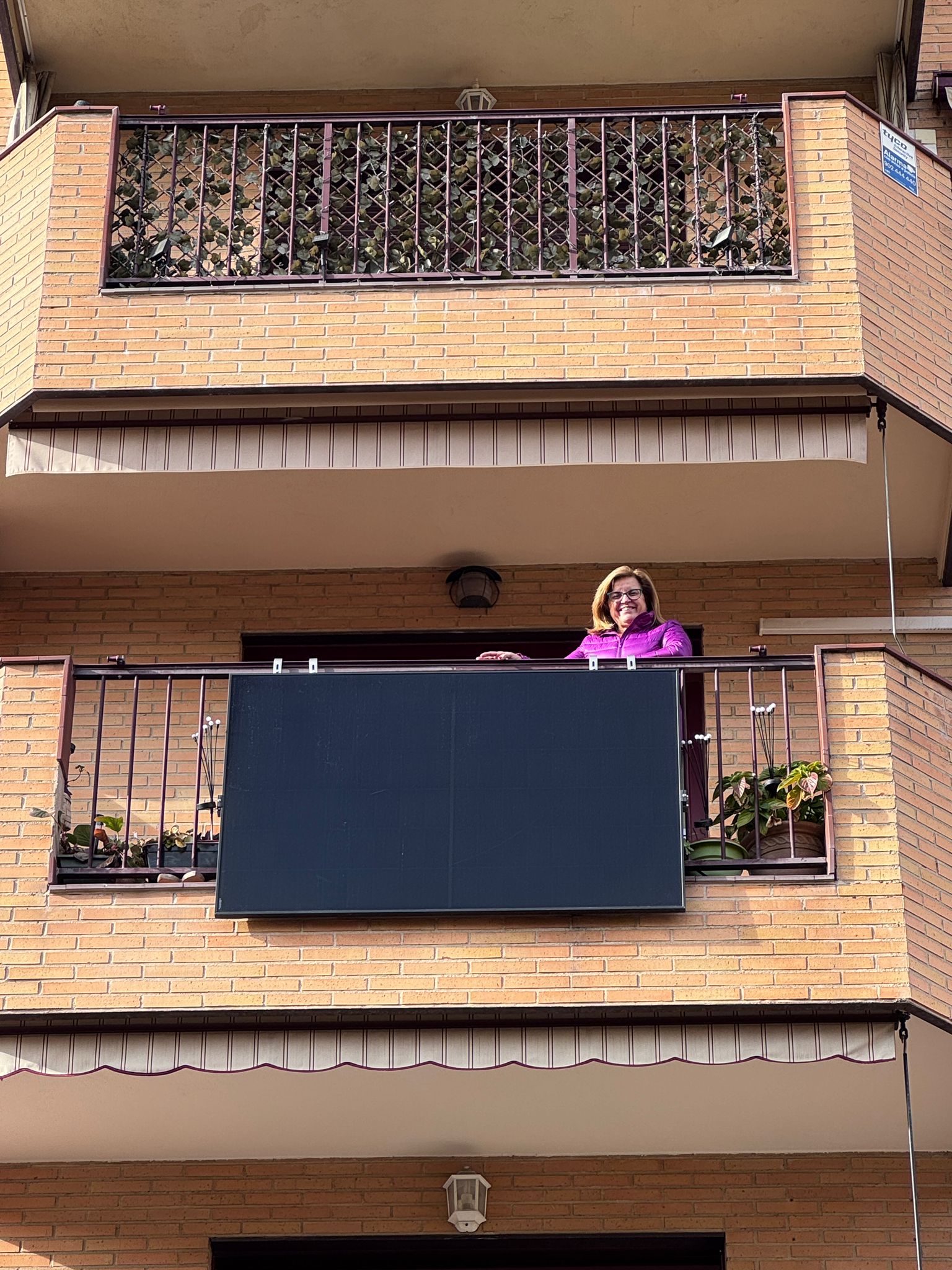
Serial entrepreneur Boris Hageney was working in the Berlin tech ecosystem when he saw founders increasingly getting involved in the climate movement and putting sustainability at the heart of their business models. At the same time, Berlin residents were installing solar panels on their roofs: not because of government incentives, but because they wanted lower bills and less dependence on energy companies.
Following these developments, Hageney founded Madrid-based tech company Robinsun, whose name is inspired by the power of solar energy – as well as the independent spirits of fictional characters Robinson Crusoe and Robin Hood.
Robinsun’s main products are plug-in solar kits that contain solar panels and an inverter, which converts the power captured by panels directly into the AC power used in people’s homes. Crucially, Robinsun’s kits can be directly installed by homeowners without the need for an electrician.
The access gap
While Spain and Portugal are among Europe’s strongest solar markets, residential adoption remains significantly below the EU average. Across Europe, around 80 per cent of solar PV installations are residential, compared with just 20–30 per cent in Spain and Portugal, where utility-scale and commercial solar dominate due to favorable economics. The gap highlights a major untapped opportunity for household solar adoption in the region.
“Solar is the cheapest energy resource we have – and you can see how it can transform an economy, for example, in places like China,” says Hageney. “We wanted to give people access to a technology which is cheap, helps them become increasingly independent from the grid, and lowers their energy bills.”
Robinsun’s solar kits are not limited to roof installation. They can also be installed in gardens, as well as on pergolas, balconies and walls, thanks to the wide array of mounting structures. As Hageney says, “It can be tricky for people to install solar panels, as there can be limited roof space – especially in Southern Europe where many people live in apartment buildings. With Robinsun’s kits, we give people the possibility to install solar panels anywhere in their flat or house.”
How Robinsun closes the gap
Beyond rooftops, Robinsun’s solar kits can be installed in gardens, as well as on pergolas, balconies and walls, thanks to the wide array of mounting structures. As Hageney says, “It can be tricky for people to install solar panels, as there can be limited roof space – especially in Southern Europe where many people live in apartment buildings. With Robinsun’s kits, we give people the possibility to install solar panels anywhere in their flat or house.”
The model is deliberately direct-to-consumer. Hageney’s view is that governments are not focused enough on renewable energy and storage. Robinsun offers consumers the opportunity to actively participate in the energy transition. Boris also advises purchasing Robinsun storage solutions to cut down on costs. “By having a battery and connecting a smart meter, consumption will be analysed, and the intelligent system can inform households when they can buy energy from the grid, at the cheapest hour of the day,” says Hageney.
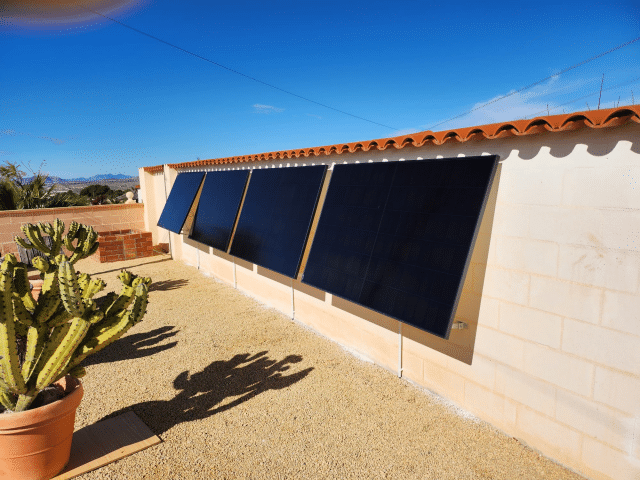
Robinsun’s solar panels installed on a wall in Alicante
Proof in the market
Robinsun now serves 3,500 households across Spain, Portugal, Italy and France, with further expansion planned. The growth is being driven not by top-down policy but by individual households choosing to act, which is precisely the point.
Customer María Luisa Castaño, who installed a kit on her east-facing balcony, put it simply: “My Robinsun kit was easy to set up, with no paperwork or complications. Even though it faces East, I can already see significant reductions to my energy bills. I love how something so simple can make such a big difference.”
An average 800 W plug-in solar kit generates around 1,600 kWh per year, delivering estimated annual savings of €400–€480 per household. Across Robinsun’s customer base, that has already translated into an estimated €874,000 in cumulative energy bill savings and millions of kilowatt-hours of clean electricity generated. Based on the Climate KIC’s impact assessment of the product, Robinsun has avoided an estimated 96 tonnes CO2eq to date.
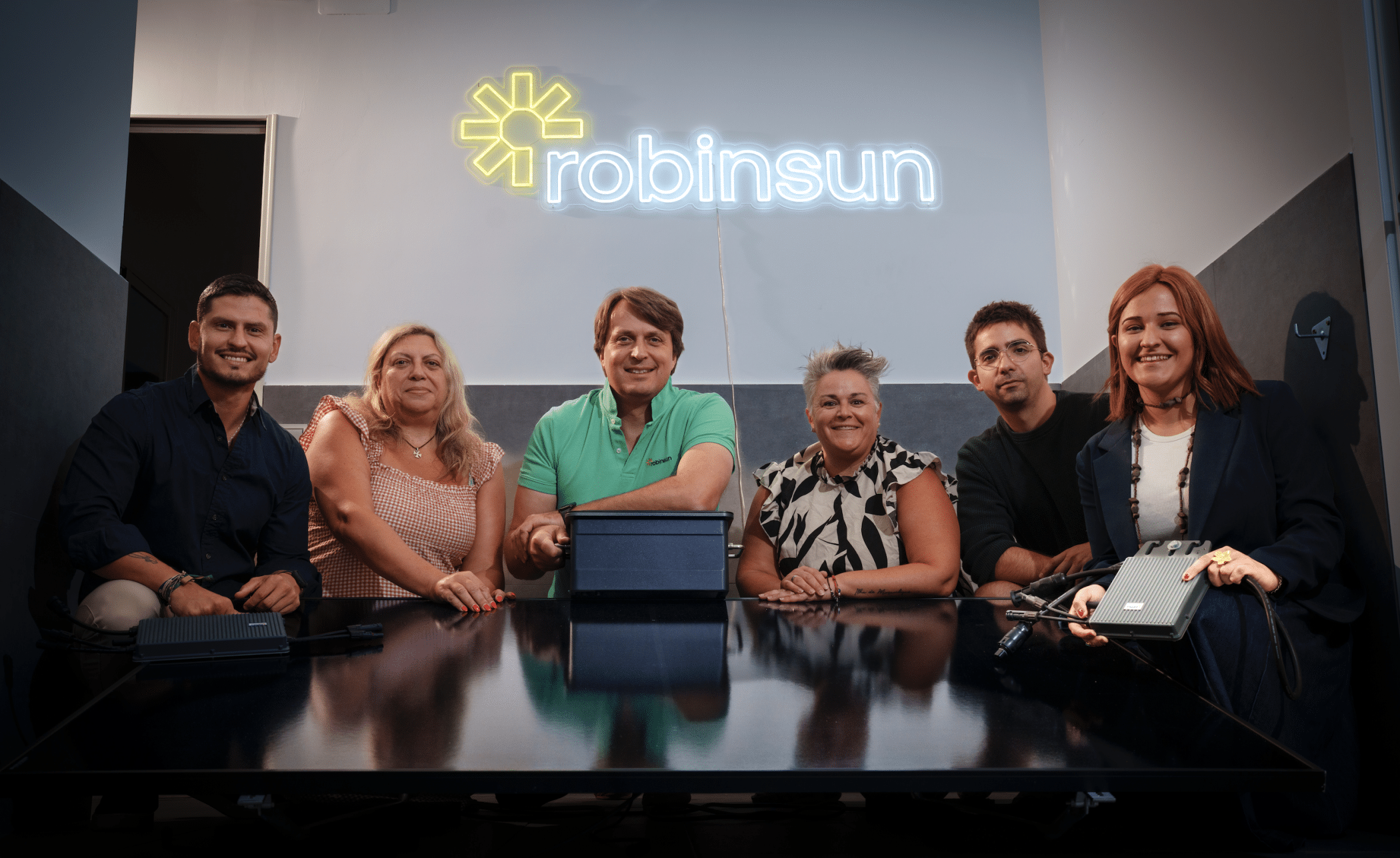
The team at Robinsun
A model for demand-side transition
The wider significance of Robinsun is not just in the panels it sells. It is in what it demonstrates about demand-side energy transition: that when the barriers of cost, complexity and access are removed, citizens will act. The question the clean energy sector has struggled to answer is not whether people want to generate their own power, it is whether the tools exist to let them do it. Robinsun’s growth across four Southern European markets is early evidence that they do.
“We want to move the market; our mission is not only limited to Europe. This is why we like working directly with consumers as they can be proactive in increasing renewable energy production by buying our kits,” says Hageney.
Robinsun is one of more than 60 companies in Climate KIC’s portfolio that has moved from pilot to scale, thanks to strategic fundraising assistance, more than 20 investor introductions, and tailored impact advisory. As part of this support, Hageney worked with our impact advisors to quantify the emissions mitigation potential of Robinsun’s products and benchmark them against existing market solutions. This portfolio-wide approach helps ventures build the evidence they need to demonstrate their climate impact, attract investment and scale solutions that contribute to the transition to a low-carbon future.
*For more information on our portfolio companies, click here.