
Romania Recycllux is making marine plastic accountability real
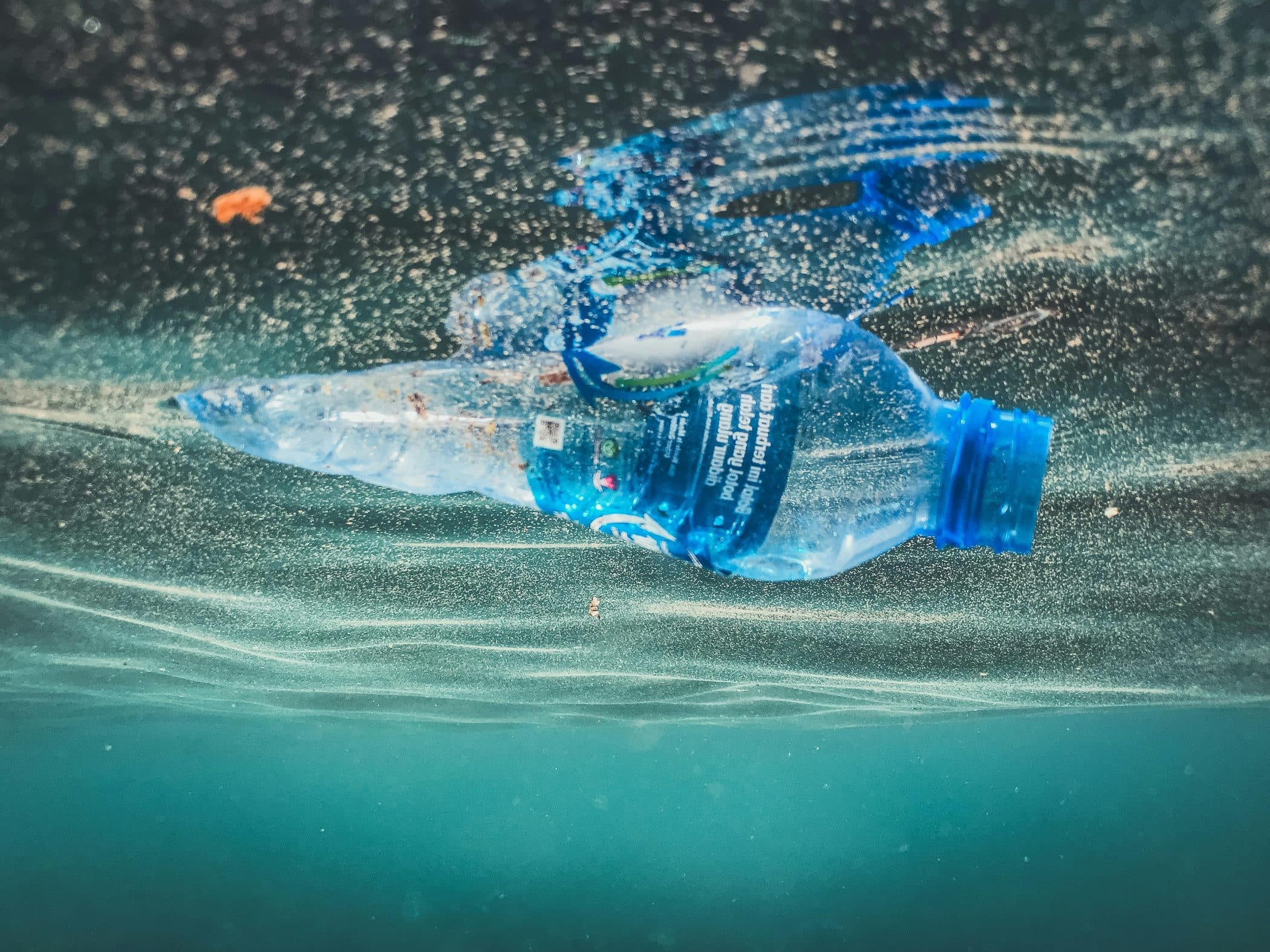
Every summer, Sorina Uleia returns to Romania’s Black Sea coast and watches the plastic problem worsen every year. After two decades working at the intersection of tech innovation and sustainability, she understood the structural problem well: the plastic value chain was fragmented, data-poor and largely invisible to the companies producing it.
Her start-up, Recycllux, emerged as a way to bring together the technologies she knew well, alongside a decision-making platform focused on marine protection.
“Around 12 million tonnes of plastic enter our oceans annually and this is projected to triple by 2040. The production, consumption and discarding of plastic is often done with little regard for where it ends up. The idea became a mission: to give authorities and companies a practical, verifiable way to protect the seas,” Uleia adds.
Regulatory pressure is changing this. The start-up works with industries whose plastic footprints are increasingly scrutinised (such as fast-moving consumer goods, beverages, cosmetics, retail) and under mounting regulatory and consumer pressure to address their plastic impact.
Her idea became a mission: to give authorities and companies a practical, verifiable way to protect the seas.
How Recycllux closes the gap
The Recycllux uses proprietary AI models applied to satellite data to detect plastic accumulation zones at sea, giving a more accurate view than traditional monitoring methods. Once marine plastic accumulation is detected, an intervention is created on Recycllux’s online platform.
These hotspots trigger coordinated actions: waste is collected by local fishing vessels, accredited NGOs handle material sorting, and recycling partners process the material. The entire operation is coordinated digitally and funded by companies’ subscriptions.
Blockchain technology is “the backbone of Recycllux’s traceability and accountability system,” says Uleia.
Every step of Recycllux’s interventions – from collection at sea to sorting, recycling, or repurposing – is recorded on-chain, thereby creating a tamper-proof, verifiable record of the cleanup and allowing for payments to be made once each stakeholder completes their role in the process. For local fishing communities, this means a new income stream during off-seasons. Recycllux does not own ships or recycling plants – it is the software layer that connects corporate stakeholders seeking to offset their plastic footprint with existing local cleanup capacity.
Proof in practice
Romanian cosmetics company Techir became Recycllux’s end-to-end pilot intervention in the Black Sea, marking a significant proof of concept. The pilot demonstrated how traceable marine cleanup operations can generate measurable environmental impact through technology-driven verification.
Conducted off the coast of Constanța in the Black Sea, the intervention recovered 87 kg of marine waste, including 75 kg of plastic, with all collection activities tracked through the Recycllux digital platform and validated by partner NGOs. The pilot also reported 131.82 kg of CO₂ equivalent avoided, highlighting the potential for transparent, data-backed cleanup initiatives to support credible ESG reporting and corporate sustainability goals.
Uleia says the collaboration was meaningful, “because it validated the model and demonstrated that companies are ready for a new standard of environmental accountability – one grounded in data, transparency, and measurable outcomes.”
It also led to the start-up being named a Blue Earth 100 Winner, highlighting Recycllux as one of the most promising ocean-impact innovations globally.
Scaling beyond the Black Sea
Uleia believes that regulatory momentum is pushing companies towards verifiable environmental action and marine ecosystems are increasingly becoming a priority in the EU’s climate agenda, creating a clear opportunity to expand.
“The gap we address is fundamental. However, the barriers are equally real: marine environments differ significantly from one area to another and expanding requires new data, new partners and new operational ecosystems,” she adds.
Nevertheless, these challenges are exactly why Recycllux exists – to build the technological and operational infrastructure that tackles the underlying drivers of ocean plastic pollution.
The start-up is currently setting up a subsidiary in Malta, which will become a hub for scaling up operations across the Mediterranean Sea. In the future, Recycllux would like to work with research partners to make new products from therecovered plastic. The start-up also plans to align its methodology with the standards needed to issue certified plastic and carbon credits.
As Uleia observes, “Climate action increasingly requires capabilities that neither the public sector nor traditional industry can deliver alone. Start-ups bring the speed, creativity and technical innovation needed to rethink outdated systems. Businesses bring scale, capital, and the ability to institutionalise solutions. When these two forces align, change becomes faster and more durable.”
Recycllux is one of over 60 companies in Climate KIC’s portfolio that has moved from pilot to scale, thanks to several strategic moves facilitated by Climate KIC including an invitation to the EIT Accelerator programme and over a dozen investor introductions. The follow-on investments have supported the development and deployment of Recycllux’s core platform.
For more information on our portfolio companies, click here.