
Spanish start-up turns waste from rural farmers and cheesemakers into new products
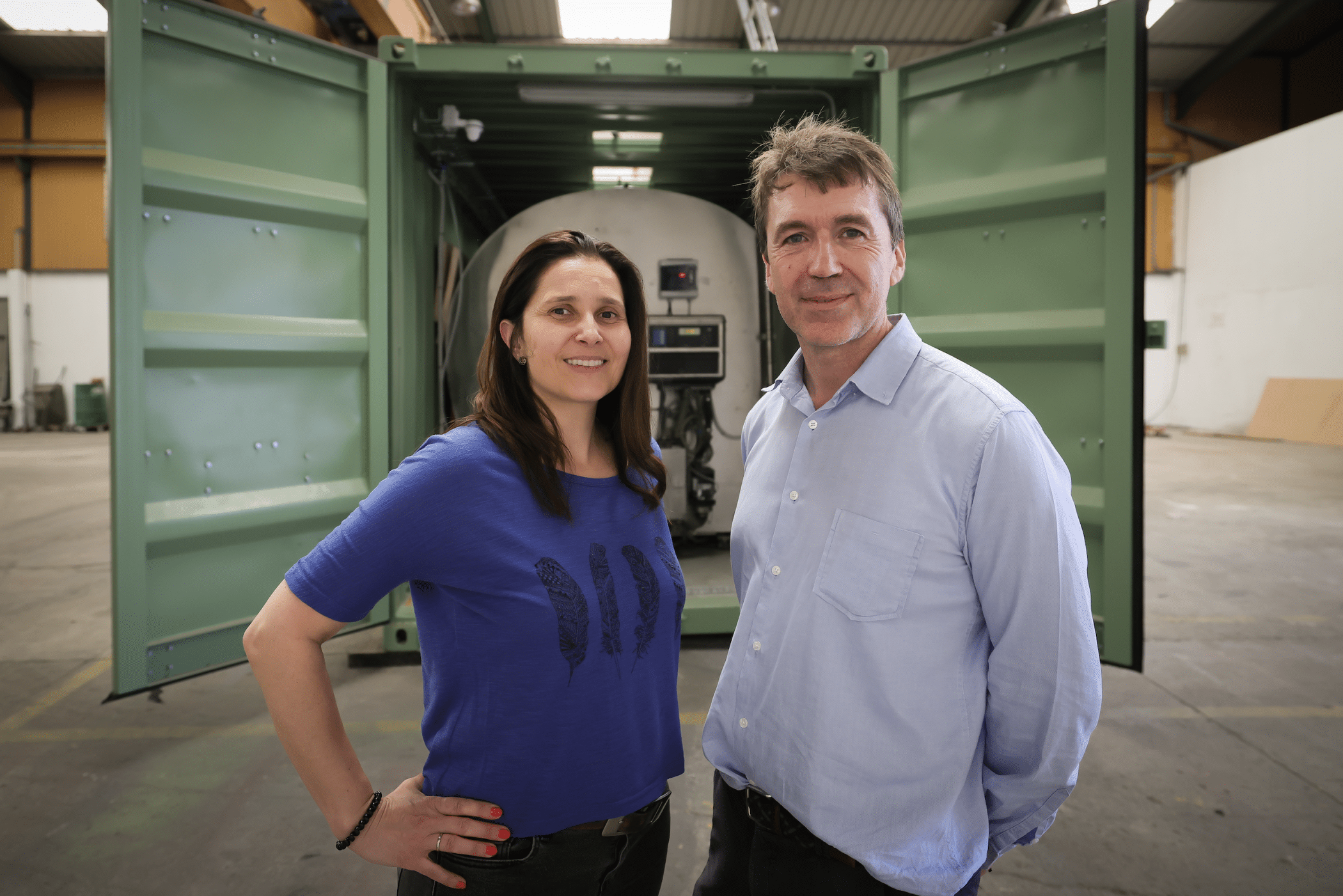
Can small livestock farms be both sustainable and profitable? Veronica Menendez and Juan Gutierrez Canseco, co-founders of ‘Dairy-tech’ start-up Agrolinera, posed this question upon returning to Spain following a long stint overseas. They had worked in China for 20 years, focusing on quality control and logistics in the solar energy sector.
Menendez had a waste management background and had grown up in a village with significant farming activity in the Spanish province of Asturias. Alongside fellow Asturian Gutierrez Canseco, they both started thinking about the issues faced by rural farmers in their region and how bioenergy could solve some of their problems. “Small, isolated farms have issues with manure collection, as they are more difficult to reach. Collecting manure on time is important: unless it is delivered fresh to a biogas plant, it will degrade on the farm, which leads to very high methane emissions. After cows themselves, the second-largest cause of methane emissions worldwide is manure,” the Agrolinera co-founders say.
Applying excess slurry (manure in liquid form) to fields is another challenge for rural farmers. This requires fuel, time, and careful nutrient management to avoid saturating soils and polluting waterways. Similarly, artisanal cheesemaking is often affected by the ability to manage whey, the main waste product. Unlike industrial cheesemakers, it can be difficult for small farms to invest in the equipment needed to create value from whey before it degrades. This creates unpleasant odours and leads to the loss of lactose and protein, which could be recovered.
These issues inspired start-up Agrolinera to create collection, monitoring and pre-treatment systems for whey and slurry, designed for small-scale livestock farming environments. Agrolinera can adapt its equipment for small or large farms – from single-cow sites to 500 cows – through two types of systems. The first is a shared collection system, using fixed or autonomous container systems, while the second focuses on individual collection, by installing systems in a pit. The equipment is adapted to the type of waste produced, geographical location, and the type of upcycling possible within the community.
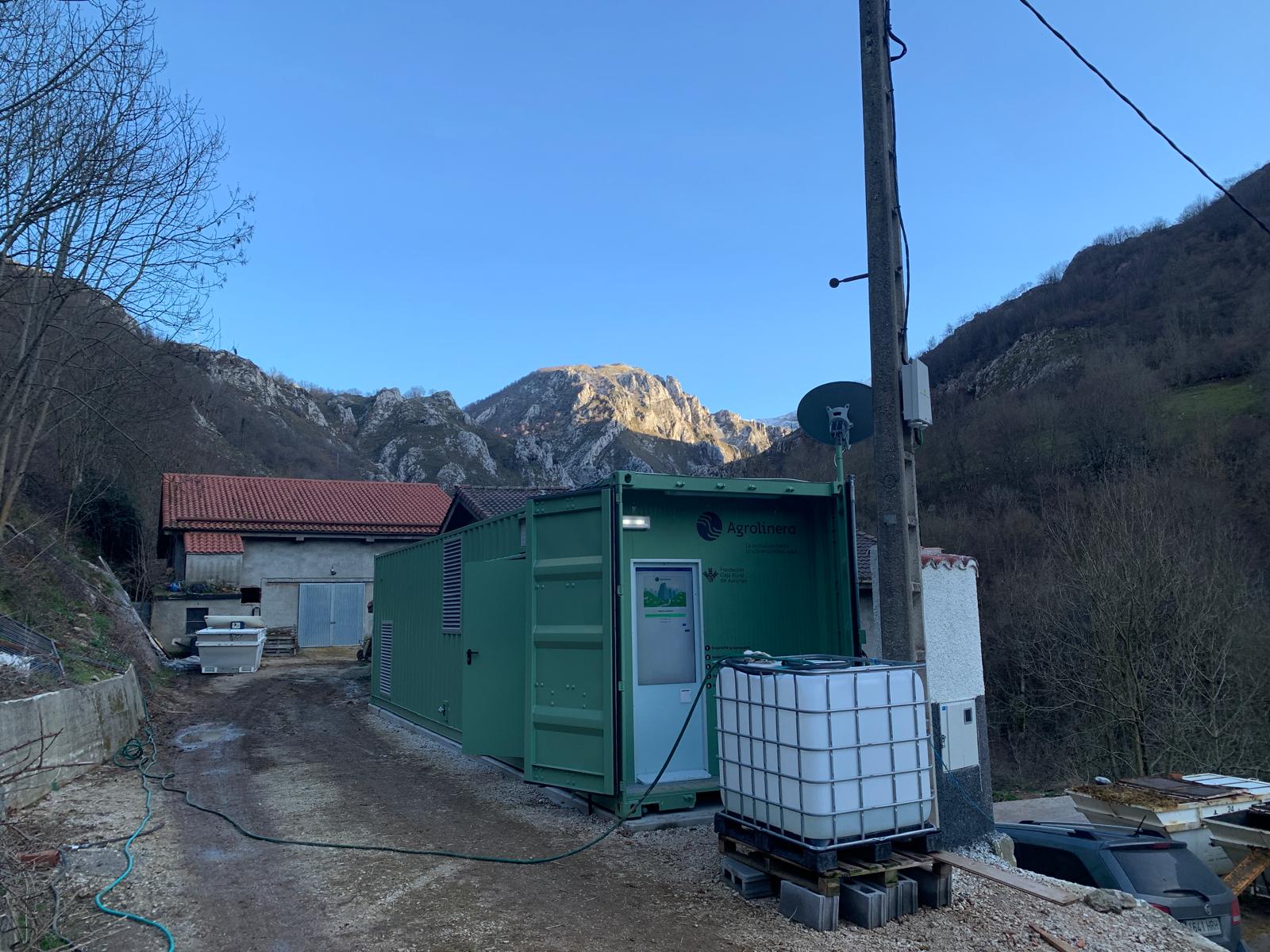
Agrolinera’s equipment in use
While currently focused on the dairy sector, the Agrolinera co-founders believe their technology could help farmers in other sectors, such as fish farming or olive oil production. “The logic is the same: anything organic has potential value but tends to degrade quickly. Smart waste management lets us unlock this value under controlled conditions while helping traditional farmers grow sustainably,” they explain.
Using lessons learned from their time in China, the Agrolinera co-founders knew that digitalisation was key to their success. Their systems are remotely monitored by a team that controls the equipment status through a cloud platform, which monitors information, coordinates operations and feeds into logistics planning – helping validate waste transactions for collection at biogas plants. Once collected, livestock waste and whey can be converted into animal feed, electrical energy and natural fertilisers. As the Agrolinera co-founders say, “Not only is value added to the waste, but data also adds value. A verifiable process helps build trust among municipalities, treatment plants and farmers by certifying the methane emissions avoided and creating incentives that prevent environmental harm.”
A pilot project is underway in the Picos de Europa National Park, located in the Spanish province of Asturias. Here, Agrolinera collects whey from artisanal dairies producing local blue cheese, which holds a Cabrales Protected Designation of Origin (PDO) certification. So far, Agrolinera’s systems have helped move six full trucks of whey to bio-gas plants, diverting it to be used primarily for bio-methane production, which can then be used to power households in the area.
Agrolinera recently reached several milestones, including its first patent approval. The start-up is also part of a working group with the International Organization for Standardization, the creators of the ISO standards used by organisations worldwide to improve the quality and safety of goods and services. Agrolinera is playing a leading role in developing a new ISO standard that aims to guide the digitalisation of the agri-food sector and standardise data flows, an essential step to improve coordination across the ecosystem.
In the future, Agrolinera hopes to expand into other mountainous European regions, such as the Alps. As the co-founders explain, “The type of land you have determines the type of farming that you do. Using our expertise, we’d love to expand into Central Europe and across the Mediterranean. We are also keen to help develop more bio-gas in Europe and we’re also looking into the possibility of making further products from waste, such as bio-based plastics.”
Agrolinera completed the Rural Spain ClimAccelerator in 2024. The start-up has since signed on Climate KIC as a strategic investor and joins our portfolio of nearly 60 climate start-ups. For more information on our accelerator programmes, visit our Climate Entrepreneurship page.