Europe feeds itself on fossil fuels. Here’s how that can change.
Recent geopolitical instability and rising energy prices have once again exposed the fragility of Europe’s food system. European agriculture remains deeply dependent on fossil fuels, with gas powering fertiliser production, diesel fuelling machinery, and volatile energy markets continuing to drive up costs across the food chain.
When Russian gas supplies tightened in 2022, fertiliser prices across Europe more than doubled almost overnight. Today, renewed pressure on energy markets is again raising concerns about food and input prices. For farmers operating on thin margins, that kind of volatility forces drastic decisions about what to plant, what to cut, and, in some cases, whether continuing to farm is still viable.
However, a different future is possible – one where Europe’s farms become active participants in resilient, decentralised food and energy systems. That means producing food, generating renewable energy, recycling nutrients, and playing a more active role in local energy markets. The technologies already exist. The challenge now is scaling them in ways that work for everyone involved.
Initiatives testing renewable energy deployment on real farms are becoming increasingly important to support farmers through this transition. One such initiative is HarvRESt, an EU-funded project exploring how renewable energy can support income diversification, strengthen resilience across farms and the wider food system, and contribute to rural development.
Make farms part of the energy system
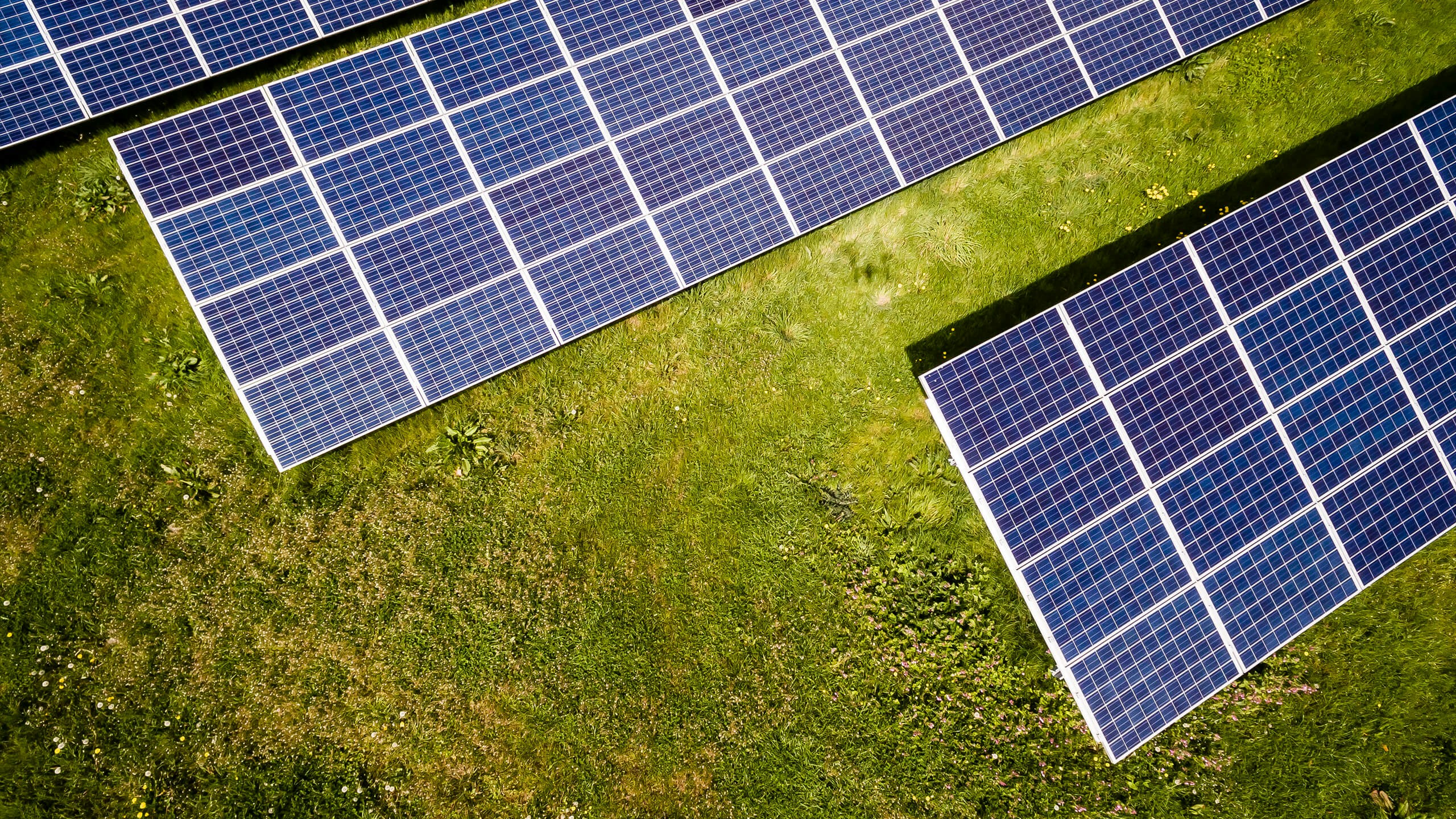
Agricultural Virtual Power Plants offer one way to do this. The concept is simple: instead of treating solar panels, batteries, and other renewable systems as isolated assets, they can be connected and managed as one coordinated energy system, helping balance local energy supply and demand.
For rural communities, this matters because it changes the role farms can play in the energy system. Rather than simply consuming energy, farms could generate, store, share, and trade renewable electricity locally. Over time, this could improve energy self-sufficiency and open up opportunities that have traditionally been reserved for large utilities, from flexibility markets to new local revenue streams.
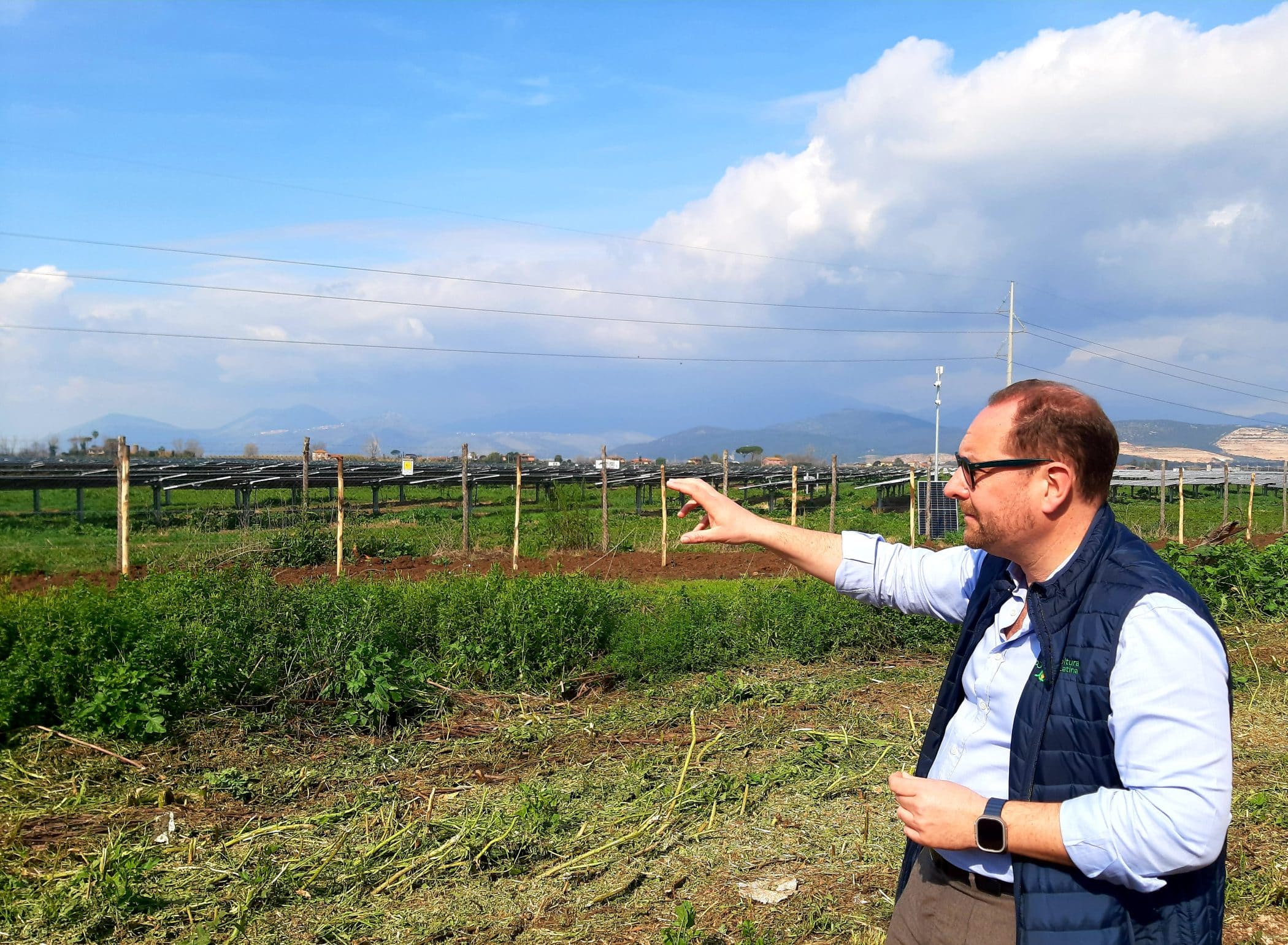
Marco Berardo Di Stefano, owner of Fattoria Solidale del Circeo in Italy, surveys the farm’s solar installation. As a HarvRESt pilot site, the farm is exploring how renewable energy can strengthen agricultural resilience while supporting food production.
Turn farm waste into energy and fertiliser
At Torre Santa María farm in Catalunya, livestock and agri-food waste is being turned into biomethane and digestate that can be returned to the land. The site already processes around 30,000 tonnes of livestock waste and 20,000 tonnes of agri-food waste each year, turning what could be a disposal challenge into renewable gas for the grid and a potential source of nutrients for crops.
Through HarvRESt, partners are testing whether nutrients recovered from digestate can reduce reliance on conventional fertilisers, while improving soil fertility and creating new value for farmers. The work is tracking nutrient recovery and soil health, including water retention and fertility. In a food system exposed to volatile fertiliser and energy prices, this kind of circularity becomes a strategy that enables greater resilience for the farm.
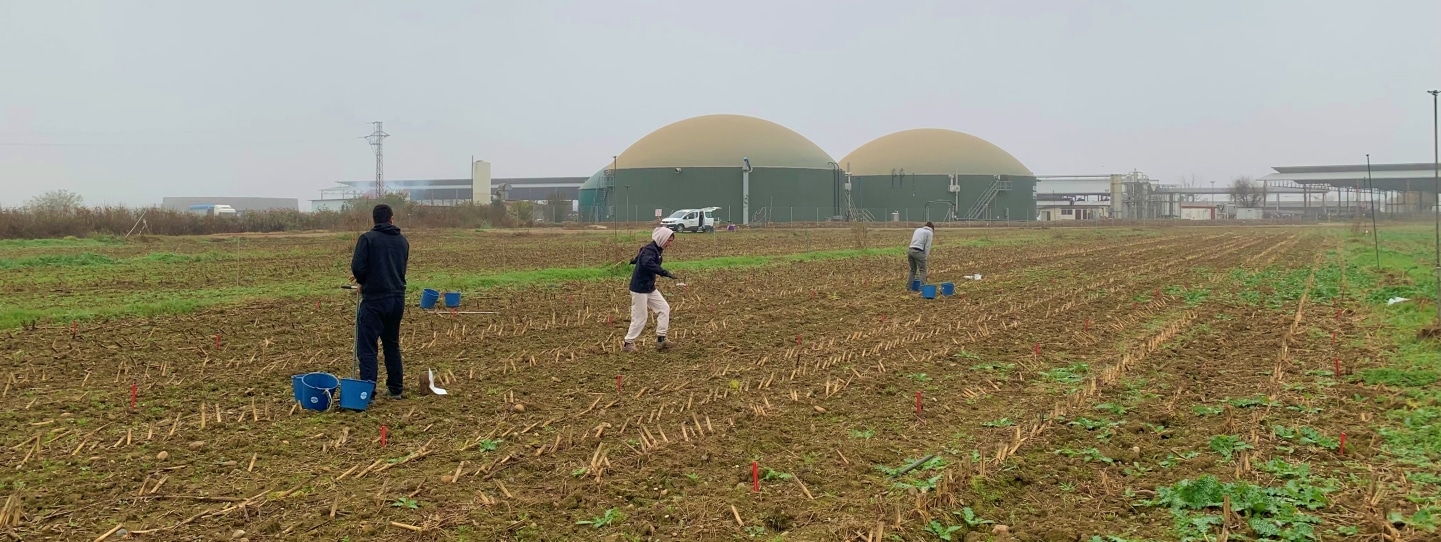
At HarvRESt’s Catalan pilot site, digestate from a biogas plant is being tested as a fertiliser for dual-cropping systems. The trial aims to demonstrate how renewable energy and agriculture can work together to reduce fossil fuel dependence and strengthen farm resilience.
Make the transition work for farmers
Proven technologies are only part of the answer. For many farmers, the bigger question is whether renewable energy can become a reliable part of the farm business, rather than another investment risk. Financial uncertainty and complex permitting can all slow adoption, even when the technology itself makes sense.
To overcome this, HarvRESt’s Business Model Catalogue looks at how farmers can benefit from renewable energy in practice – whether through shared infrastructure, cooperative ownership, circular biogas systems or locally coordinated energy networks. Farmers cannot be expected to participate in the energy transition unless they also have a fair stake in the value it creates.
Scale what works beyond individual farms
Energy resilience cannot be built farm by single farm. A successful pilot on one farm is useful, but it is not enough. The real test is whether good ideas can be adapted across multiple different locations and policy contexts. That requires an understanding of what support farmers need, as well as how projects are financed and how benefits can be shared fairly.
The wider European policy conversation is beginning to move in this direction as well. Recent discussions within EU-level expert groups on energy and agriculture have highlighted themes ranging from agrivoltaics and small-scale biogas to governance models, knowledge transfer, and rural energy resilience. Together, these discussions point toward a growing recognition that, beyond reducing emissions, Europe’s agricultural transition will depend on creating farming systems that are economically resilient and socially viable – and therefore less vulnerable to external energy shocks.