Why Moldova’s green transition must be grown, not imported
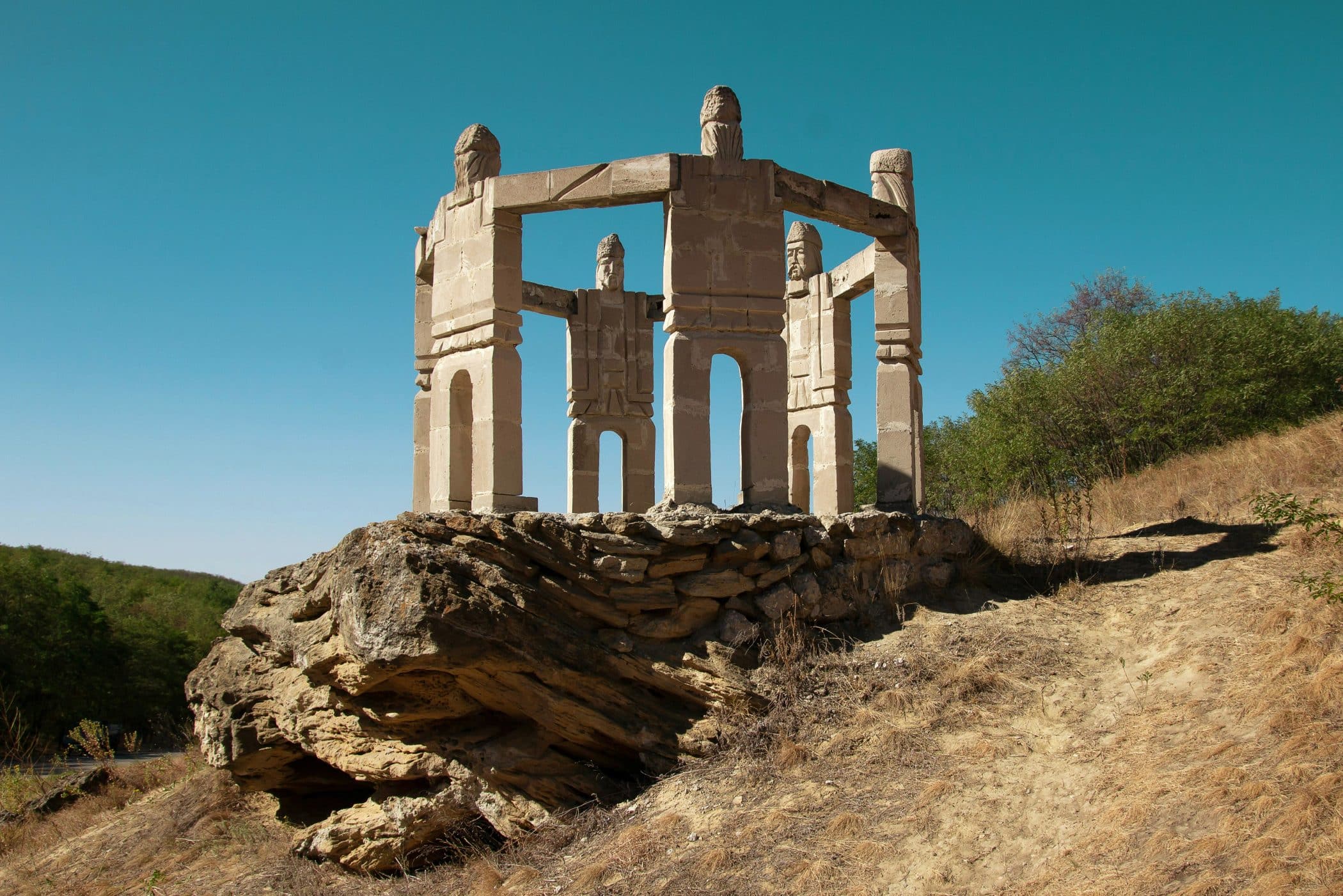
Moldova’s green transition is often framed as a question of policy reforms, investment, and alignment with European standards. These matter. Yet, after years working at the intersection of climate policy and implementation, I have come to a different conclusion.
The real challenge is not a lack of strategy. It is a lack of systemic coherence. Coherence cannot be imposed from outside, it has to be grown from within. This insight is also deeply personal for me.

Chișinău, Moldova
Growing up in fragmentation
I grew up in Moldova during the turbulent transition from socialism to capitalism. Institutions weakened faster than new ones could form. Trust eroded. Communities became fragmented politically, economically, and along ethnic and linguistic lines.
As someone who also has Ukrainian and Bulgarian roots and spoke Russian at home, I struggled to find belonging in a country redefining its identity. Only later did I realise that instead of trying to choose between identities, it would be much more helpful for me to connect them.
That lens shapes how I see Moldova’s challenge to transform. Today, the country does not lack ambition. It struggles with fragmentation.
Policies exist, coordination does not
Moldova has advanced important reforms across climate, energy, waste, and environmental governance. Yet implementation has not kept pace.
Stakeholders describe a recurring pattern: institutions work within their mandates, but coordination across them remains less than ideal. Policies develop in parallel rather than as an integrated whole. Local authorities receive responsibilities without resources. Businesses face inconsistent enforcement. Civil society organisations are often invited to consult, but rarely meaningfully involved in shaping decisions.
As one official put it: political will exists, what’s missing is coordination.
This is not a technical failure. It is a systems failure. In complex transitions, fragmentation leads to stalled investments and citizens losing trust when reforms fail to deliver results.
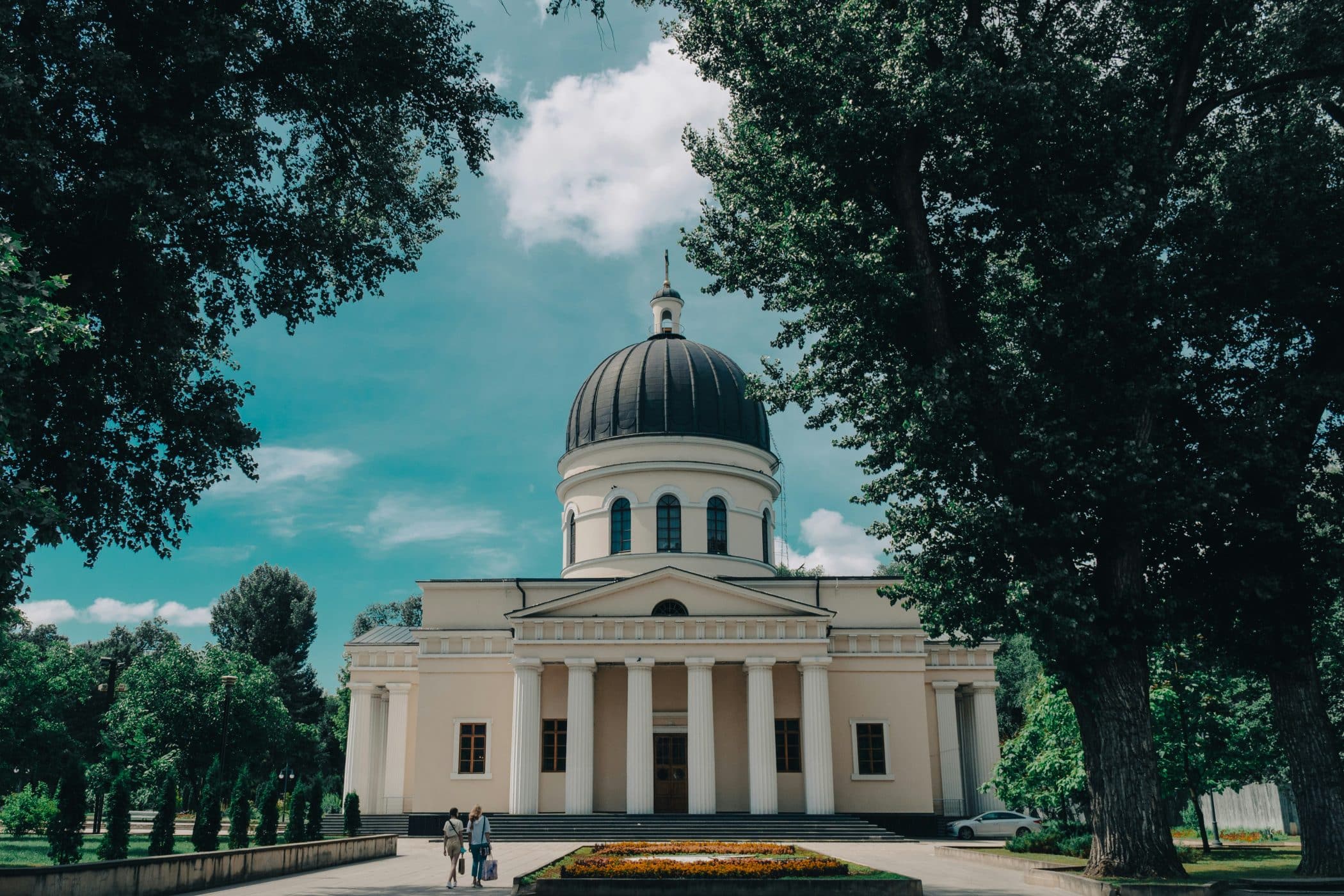
The Metropolitan Cathedral in Chișinău, Moldova
Capacity building as transition infrastructure
This is why capacity development must go beyond technical training. At Climate KIC, Europe’s climate innovation agency, we work with partners to strengthen the institutional capacity needed for complex transitions. In Moldova, working together with UNDP and national stakeholders, we are supporting a structured programme that helps institutions recognise interdependencies, coordinate across mandates, and operate more effectively in complex environments.
Capacity building here is not a support activity. It is transition infrastructure. A country cannot outsource the muscle needed to coordinate and adapt. External partners can help, but they cannot do the work for the system itself.
The learning journey begins next week with the official launch of the Climate Leadership Academy in Moldova, bringing together representatives from ministries, local authorities, business, academia, and civil society. The kick-off marks the start of a shared process to strengthen collaboration and build the capacity needed to drive Moldova’s green transition together.
Climate KIC’s role in the messy middle
At Climate KIC, we work with governments, cities, businesses, and communities to turn climate commitments into coordinated action. In my role within our systems innovation and learning partnerships, I work directly with institutions navigating complex transitions like this one in Moldova.
We don’t show up with ready-made solutions. We work in what we call the messy middle, the space between ambition and implementation, where coordination, learning, and trust determine whether strategies translate into real change.
Our contribution focuses on coordination and learning: creating space for institutions to reflect together, interpret what is happening in the system, and adjust their actions accordingly. We embed learning loops so systems can adapt rather than simply comply. Inclusion and gender equality are treated as design principles, not add-ons.
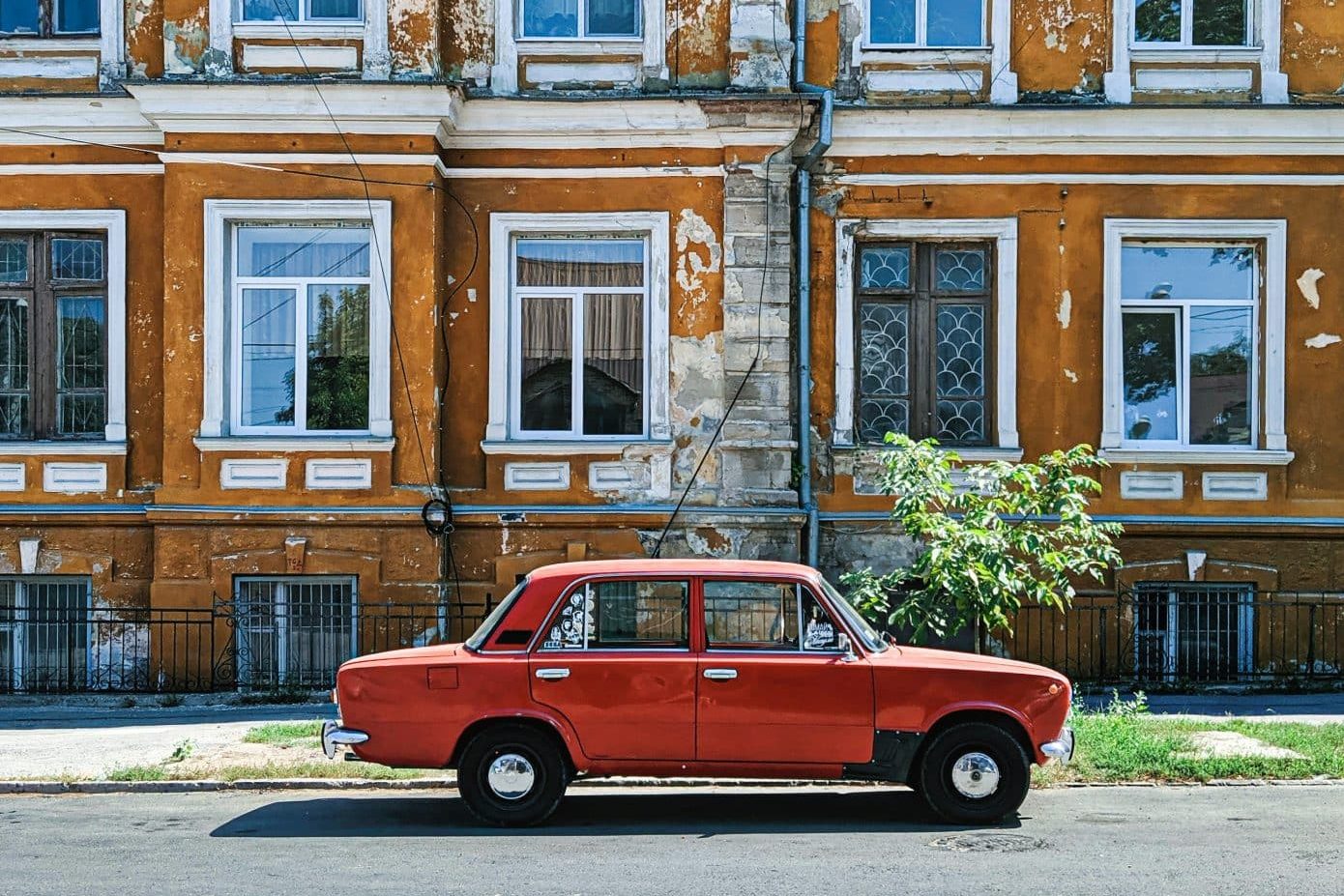
Chișinău, Moldova
Preparing the soil
The timing is critical. Moldova’s green transition is not only environmental policy. It is also a resilience and sovereignty strategy. If collaboration strengthens, citizens will begin to see policies translate into coherent results. Slowly, trust can be rebuilt. At its deepest level, this work is about preparing soil, cultivating a system capable of listening to itself and moving forward together.
For me, contributing to this work in the country of my birth feels like closing a circle. Moldova’s transition will succeed when institutions, businesses, and communities build the capacity to act as one system. Not by fitting into one box, but by building bridges strong enough for everyone to cross.
The Climate Leadership Academy launches today in Moldova, marking the start of this shared learning journey. We will share insights and lessons as the work unfolds.