United by soil: turning soil knowledge into climate action
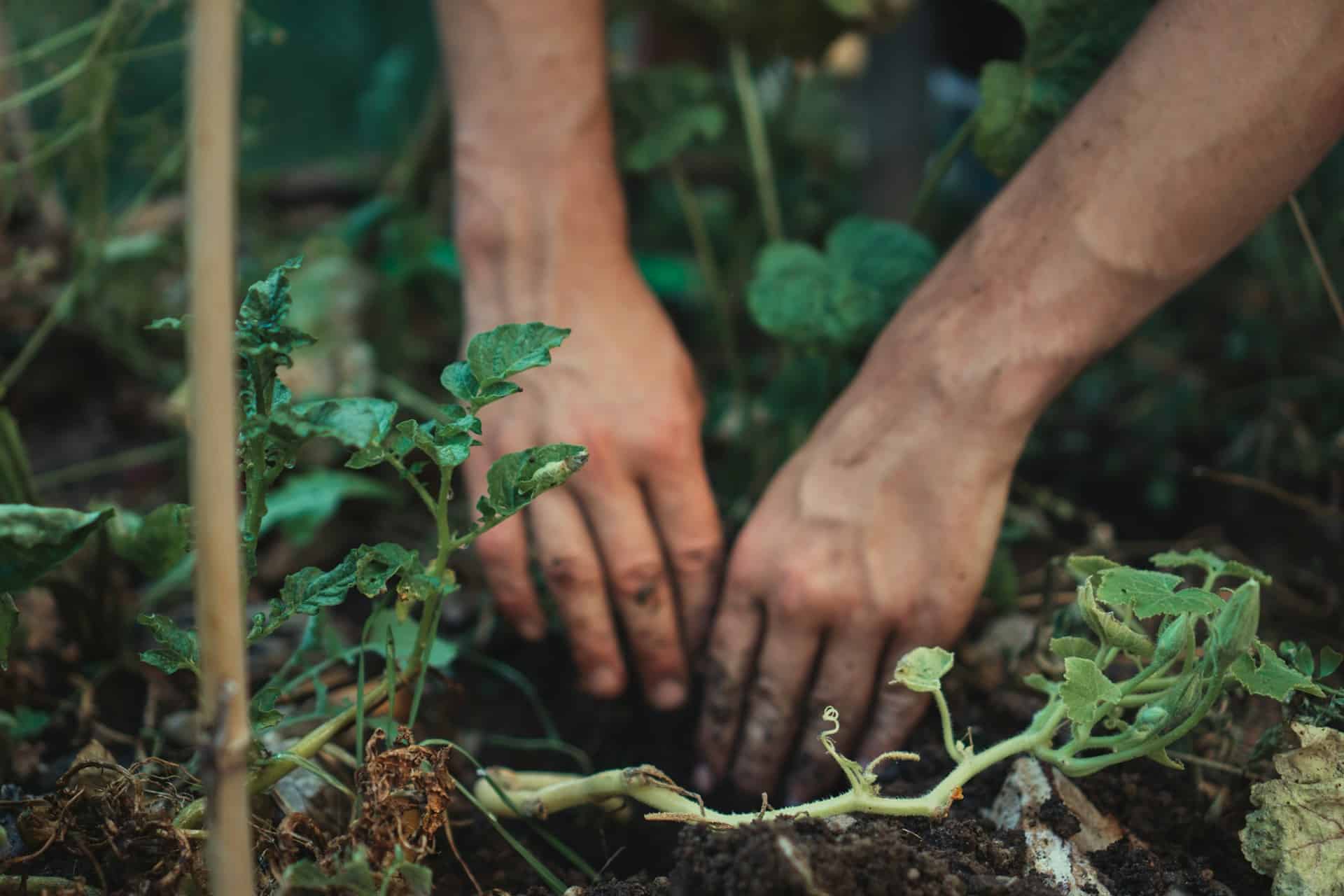
When we hear about climate mitigation, we almost always think about renewable energy and carbon capture, but only rarely about the one solution that already exists beneath our feet.
Soil is the foundation of our future. It is the living system holding water, storing carbon, hosting 25% of the world’s biodiversity, and sustaining the food security of billions.
Those of us working in agriculture, land use, and food systems have long been saying it: soil is the missing piece in Europe’s climate puzzle. Yet, unlike water or air, soil had no legal protection – until last month, when the European Union adopted its first dedicated framework to protect soil health.
Over 60% of soils in Europe are unhealthy. When soils are degraded, ‘services’ such as water filtering, flood risk reduction, and carbon storage collapse, leading to erosion, chemical runoff, and food insecurity. Restoring soil health means fewer fertilizers and pesticides, landscapes that can absorb heavy rain and survive drought, healthier ecosystems that support community wellbeing, and farmers who are less vulnerable to the shocks of a warming planet.
Restoring soils is a shared challenge
While the recently adopted EU Soil Monitoring and Resilience Directive establishes a clear legal and data-driven pathway for soil health to be monitored, its ambition goes much beyond, setting a goal of achieving healthy soils across Europe by 2050.
Farmers can’t achieve this goal alone. Yes, the science is there – but scientists are publishing research results faster than farmers can implement them. The policy ambitions might be set, but they need to be adapted to the local context to become reality. Financing exists, yet instead of achieving systemic, long-term impact, it remains locked within fragmented projects.
What’s missing is orchestration, a shared framework that brings these stakeholders together around measurable outcomes.
From research to real-world change
The Soil Innovation Partnership was created to change that. Launched this October by Climate KIC with partners INRAE, Wageningen University and Research, and Aarhus University, it builds on the European Joint Programme (EJP) Soil partnership that has already created a network of 2,000 soil scientists from across 24 countries.
Its purpose is simple but radical: to unite those who depend on, work with and fund soil into one community of action. It’s about making the invisible visible, turning soil from a passive backdrop into an active driver of climate resilience, productivity, and wellbeing.
We are doing so by connecting scientists who need real-world testing, farmers who need solutions that work in practice, and funders who want their investment to create systemic change. The partnership is turning fragmented initiatives into portfolios of transformation.
Participants are also co-creating new ways of working. A farmer might test an innovative soil-management approach on their land. A researcher can validate it. A policymaker can see the results and adapt regulations. A funder can back the next phase at scale. The cycle of learning becomes continuous: from the ground up.
This is systems change made tangible – understanding soil not as a commodity, but as a living network that connects ecology, economy and community.
Join the movement
The Soil Innovation Partnership invites everyone with a stake in the future of soil to take part. Whether you’re a farmer eager to test and validate new methods, a scientist ready to collaborate beyond the lab, a policymaker looking to improve frameworks, or a funder seeking credible, scalable impact — there is a place for you. You can learn more about it here.
At Climate KIC, we’re building a movement for resilient, regenerative food systems by bridging the gap between policy, innovation and practice. From supporting farmers in adopting climate-smart agriculture and renewable energy solutions, to facilitating dialogue between policymakers and practitioners at the European Carbon Farming Summit, we’re demonstrating that sustainable agriculture is practical, scalable, and economically viable.
Whether you’re a farmer pioneering new practices, a researcher developing innovations, an organisation committed to climate action, or a supporter interested in transforming food systems around the world, we want to hear from you. Visit our #FoodFutures hub to learn how you can partner with us.