
NetZeroCities: Lappeenranta tests innovative ways to cut heating emissions
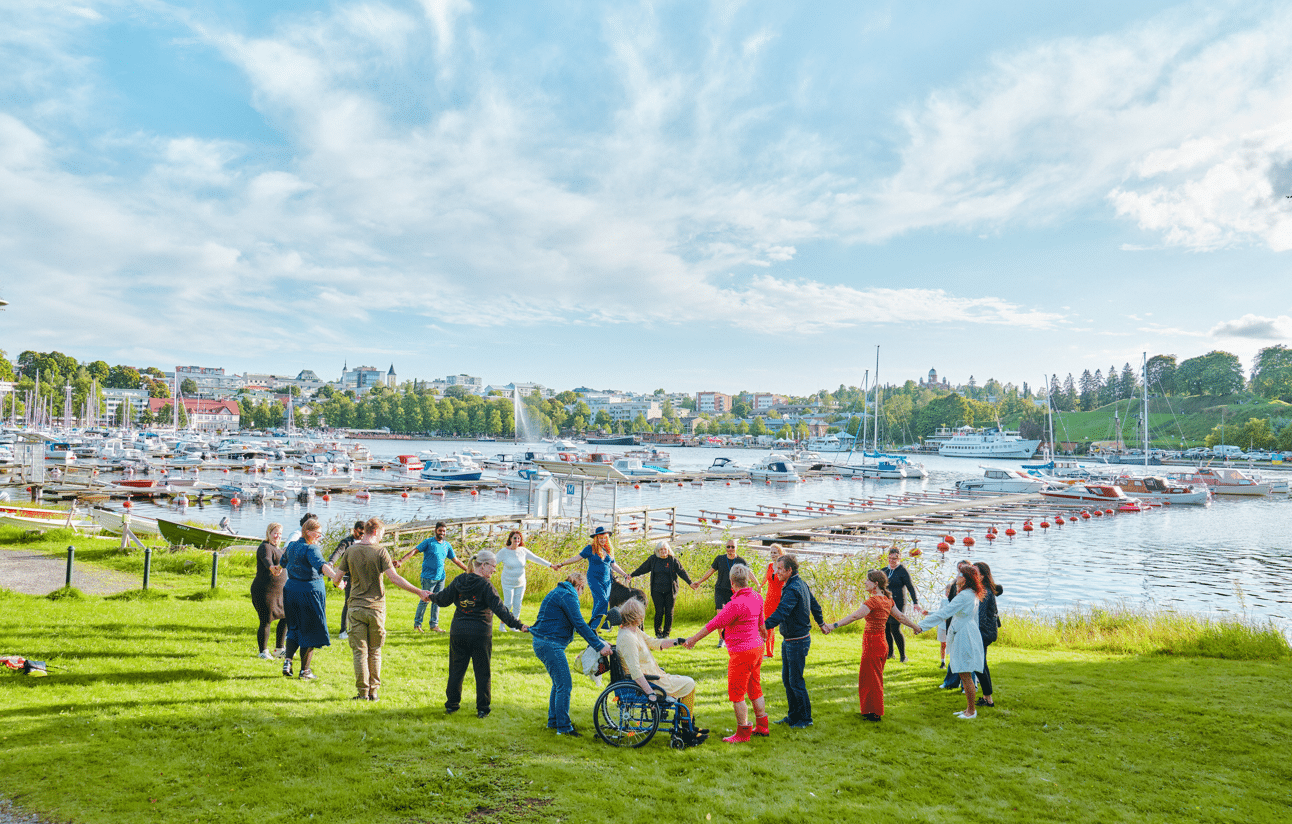
Lappeenranta is raising the bar for how a European city can shape its heating future. In a moment when many cities are struggling to cut emissions from buildings, this lakeside community in Southeast Finland is piloting a digital approach that uses real-time data, building sensors and electricity market forecasting to reduce energy use and shrink fossil fuel demand during peak hours.
The work is part of the NetZeroCities Pilot Cities Programme, and it offers a concrete example of how technology and local collaboration can reshape district heating and support broader climate neutrality goals. What is happening in Lappeenranta has the potential to influence cities far beyond Finland.
This article was originally published on the NetZeroCities website, here.
A City Shaped by Climate Ambition
Lappeenranta likes to call itself a frontrunner in climate action. It is a bold claim, but the city has earned it. The city won WWF’s climate action competitions in both 2014 and 2016. Since then, the city has continued to collect international recognition, including the European Green Leaf Award and the recent Covenant of Mayors Award for its achievements in the heating sector. When you speak with the people steering the city’s transition, their confidence behind these titles and their belief in these achievements becomes clear.
“The successes are in the energy sector. We have been able to cut the emissions quite a bit, and we also have innovative actions related to the energy sector, both in energy production and in the building sector,” said Ilkka Räsänen, the environmental director of the City of Lappeenranta.
Heating as the Next Frontier
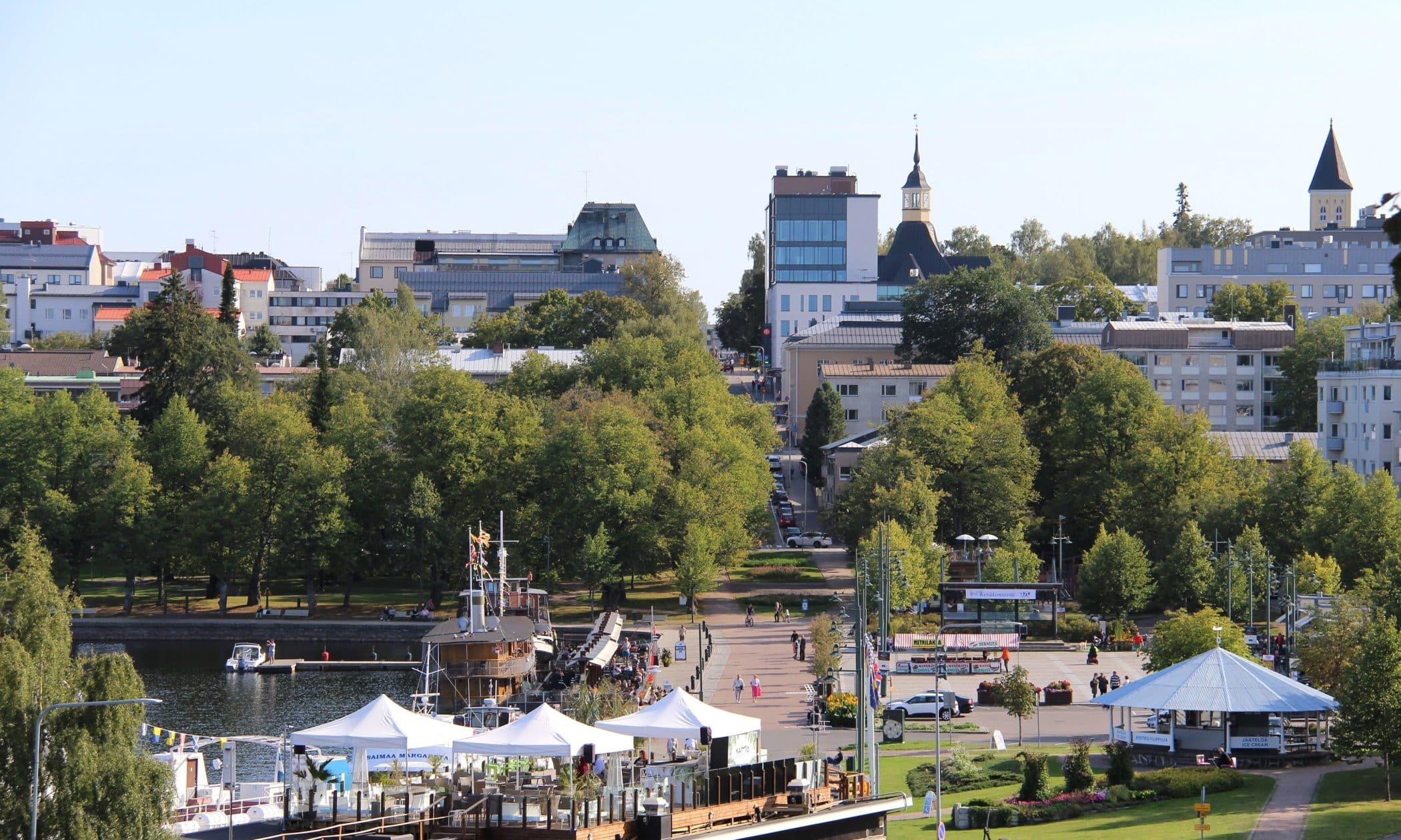
Lappeenranta is already advanced in many aspects of climate action, yet one challenge remains both technically complex and central to achieving its 2030 climate neutrality goal. The heating system is mainly based on renewables, but still relies on fossil fuels during peak demand. District heating accounts for about ten per cent of city emissions, and although Lappeenranta aims for entirely fossil-free district heating by 2026, the last stretch requires new solutions. Old habits in buildings, inefficient heat distribution and the rigid structure of traditional district heating grids slow progress.
This is where the Pilot Cities Programme has become a turning point. Lappeenranta’s pilot focuses on making the heating system more flexible so it can use electricity when prices and emissions are low. A project manager from the city of Lappeenranta, Petri Kero explained, “Our pilot is about the district heating flexibility and demand response. Instead of heating buildings the same way every hour, the new system times heat supply so production matches the best hours for electricity use. It would be very beneficial if we could time the use of district heating in the buildings for a couple of hours or several hours so we can time the production for those cheap electricity price hours.”
Turning Buildings into a Virtual Power Plant
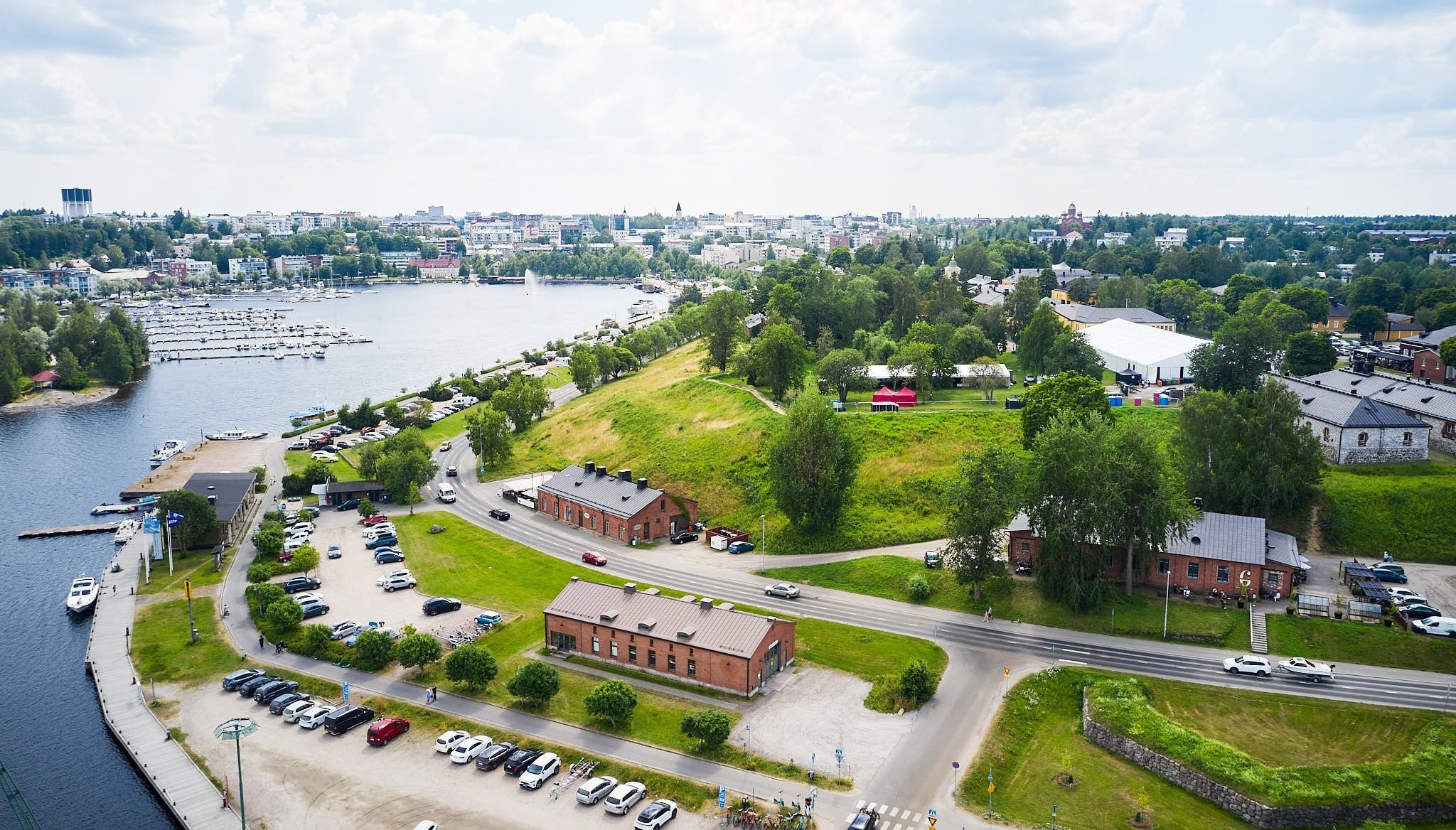
To make this possible, the city has turned buildings into what Kero calls “virtual power plants”. Sensors now track temperatures in every apartment of 15 residential buildings, as well as in student housing units. All the data flows into a new optimiser developed by the local energy company Lappeenrannan Energia. “They built an in-house optimiser capable of synchronising the virtual power plant with their district heating production to improve overall performance”, Kero explained. The system then automatically adjusts heating based on electricity market forecasts.
The pilot is expanding quickly. After the initial residential buildings, phase two has begun in city service buildings, including a public swimming pool, the City Hall and several schools. These are more complex to manage due to different heating systems and usage patterns, but they also offer more flexibility. “Swimming pools are particularly effective because they offer a large thermal mass,” Kero said. The team is testing different algorithms and working on data interfaces so each building can be integrated into the optimisation model.
Behind the technical work is a clear goal. “In our Climate City Contract Action Plan we have an action about climate-neutral district heating,” Kero said. This pilot is directly tied to that commitment. It is also tied to Lappeenranta’s ambition to contribute solutions beyond its borders. As he put it, “We would like other stakeholders like the LUT university and the local companies to innovate and we want to provide solutions that could be used all around the world.”
Results That Matter
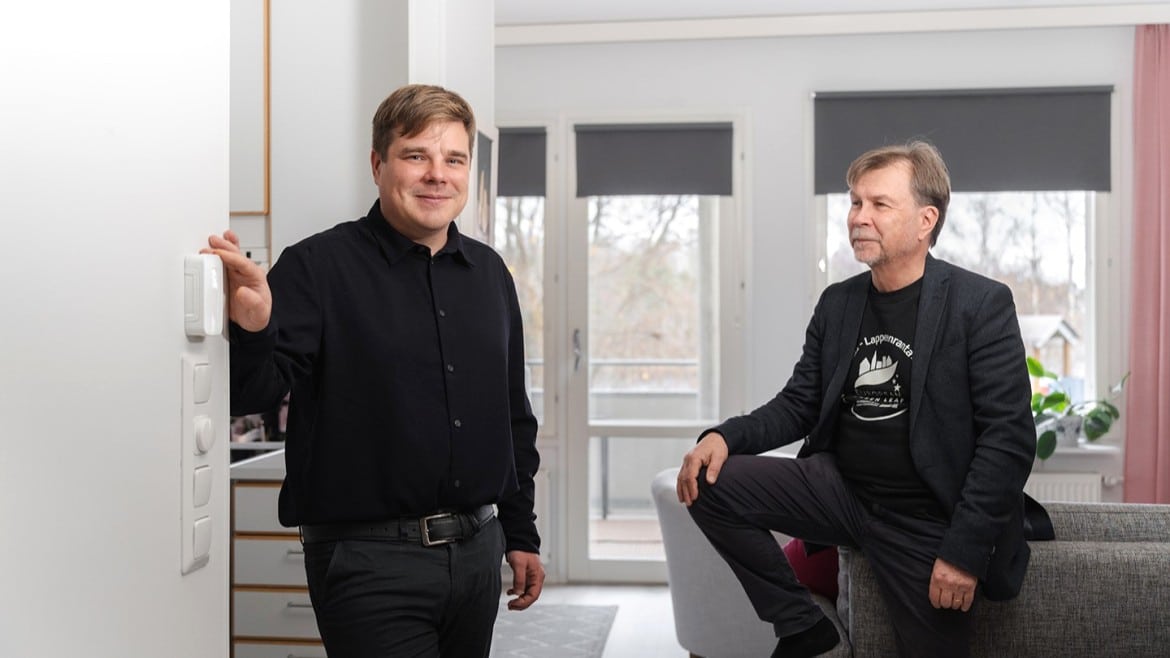
The early results are already promising. In the residential buildings included in the first phase, the system delivered an average of 7% savings. On their own, these savings would not be enough to justify a full-scale investment. Still, when the demand response system was combined with weather-based optimisation, the results jumped significantly.
“With weather forecasting on its own, the improvement was limited to about 10 per cent. That’s not a viable investment. But together with demand response, it increased the savings as much as 27%. The combination created a viable business case for buildings that otherwise would never have been able to afford improvements,” said Rami Koivula, the development manager at Lappeenrannan Energia.
A Collaborative Effort Across the City
That figure is striking. An improvement of nearly one-third in heating efficiency transforms the economics of district heating, and it turns climate action from aspiration into something measurable.
But the work in Lappeenranta goes beyond technology. The team had to cooperate with student housing foundations and city-owned housing companies. They also took steps to ensure residents understood the experiment. “We made sure to explain our approach, as the aim is both to reduce their costs and support climate action. There were some concerns about minor temperature changes, but feedback so far has been positive,” Ilkka Räsänen said.
Lappeenranta also connects closely with other cities. They meet regularly with Copenhagen and Helsinki, who run similar heating pilots. “Copenhagen has been very interested in our pilot implementation because they have a similar kind of pilot activity,” Räsänen said. What makes Lappeenranta’s approach stand out is its ability to coordinate buildings, heat production and the grid because the energy company is city-owned. This streamlined structure allows the pilot to scale faster, making evaluation easier.
Lessons with European Impact
The city’s experience has already shaped peer learning within the Cities Mission. They participated in a city-led session on heating and cooling at the Cities Mission Conference 2025 in Vilnius. They also helped establish a peer group with other cities. Sharing knowledge has become part of the routine.
At the heart of the work lies a simple truth. “In the climate change challenge, we need behavioural changes, but we also need technological changes. Cities can provide both,” Räsänen said. Lappeenranta proves that when these elements meet, even something as invisible as a heating system can become a platform for systemic transformation. If Lappeenranta succeeds in scaling this ambitious model, it may soon become a model for the climate capital of Europe.
*Photos: the City of Lappeenranta and Lappeenrannan Energia