
Increasing the resilience and sustainability of European forests
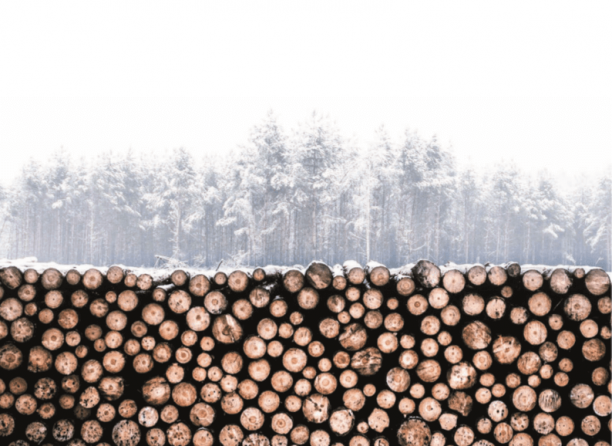
What are the climate challenges faced by European temperate forests? What is their potential for climate mitigation, directly, and by relieving commercial pressures on wood supply chains elsewhere?
Recent studies suggest European forestry’s contribution to climate mitigation could double if we develop the right incentives for afforestation, forest management and substitution of fossil-based products.
Our report, ‘Climate KIC and the future of the forestry sector ‘ identifies five recommendations to maintain and increase resilience and sustainability of European forests.
- Develop new business models that integrate accounting methodologies and financial instruments for risk management to enhance sustainable harvesting of unmanaged forests – the principal categories at risk from extreme events and pests.
- Facilitate traceability and transparency measures in the wood market to improve connections between sustainable forestry management and downstream value creation.
- Support widespread substitution of fossil carbon with bio-based products, including wood construction products, and ensure that wood entering downstream value chains contributes to climate mitigation efforts.
- Develop long-term scenarios for wood availability (for quantity and quality) for policymakers and investors as industry investment is long-term and capital intensive. Availability is becoming acute with climate change, so explicit inclusion of adaptation is required.
- How fossil carbon can be replaced by forest carbon in downstream value chains needs to be better assessed. Residence time in value chains remains unknown. Circular economy is a chance to boost this and should be better connected with the bio-economy.
Taking a systemic approach to European forestry management, and fostering collaboration between actors across value chains is fundamental to develop solutions. Climate KIC’s new forestry flagship programme will encompass these issues to accelerate innovative bio-economy value chains based on sustainable and resilient forest management.