
Climate KIC reacts to the EU’s new 2040 target and Omnibus vote
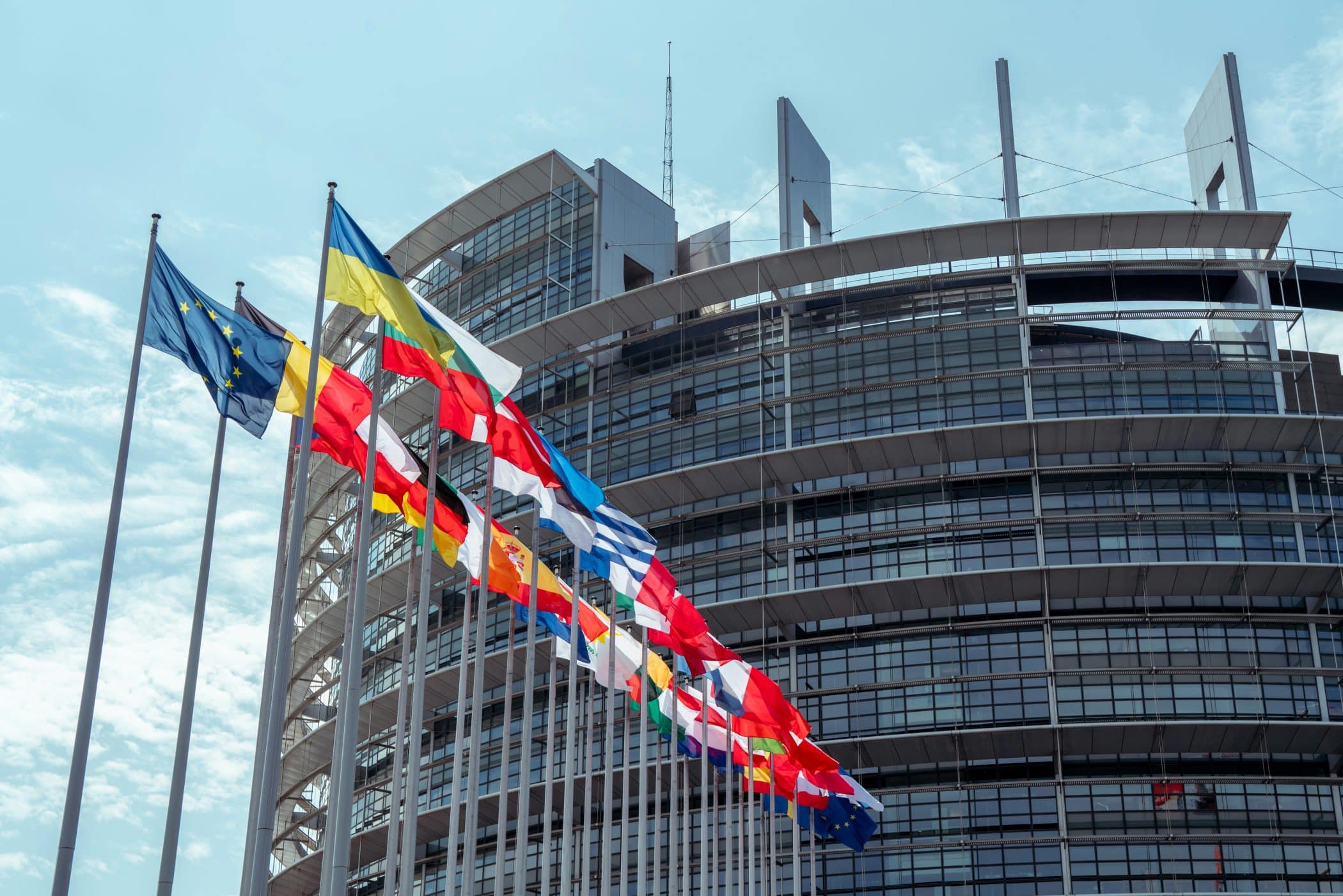
A few days before COP30 started in Belém, the EU’s environment ministers agreed on both the bloc’s 2040 domestic climate target and its updated Nationally Determined Contributions (NDCs).
NDCs are central to the Paris Agreement. They are national plans resubmitted every five years that outline each country’s efforts to reduce emissions and adapt to climate impacts, all aimed at limiting global warming to 1.5°C. The European Union submits its targets as a bloc to the UN Framework Convention on Climate Change.
For 2035, the EU committed to reducing net greenhouse gas emissions by 66.25–72.5 per cent below 1990 levels across all sectors and gases, including methane. The 2040 target plans for 90 per cent emissions cut compared to 1990. But only 85 per cent will come from domestic reductions. The remaining 5 per cent will be outsourced abroad through international carbon offsets.
Days after these underwhelming targets emerged, the European Parliament voted to exempt more companies from green reporting rules through the EU’s first omnibus simplification package, weakening the sustainability framework Europe spent years building.
A statement from Climate KIC’s CEO Kirsten Dunlop
At Climate KIC, we believe that change happening on the ground is key to realising a just, beautiful, sustainable, climate-resilient world. Our strategy is grounded in learning by doing and deep demonstration. We believe that where there is a way, there is a will.
At COP30 in Brazil, we see this playing out, over and over.
National negotiations play a vital role in setting the global direction even when, as now, many nations are in retreat, denial or worse. But change is already happening now: in cities, in regions, in leading businesses and in bold innovation ecosystems, gathering momentum to shape the future of Europe and the world.
This makes news of the Omnibus vote deeply disturbing.
The EU’s 2040 target already threatens to undermine transition work on the ground just when it needs to scale. The Omnibus vote deepens that erosion, hollowing out the EU’s sustainability framework by weakening due diligence, shrinking reporting obligations, and signaling to industry that accountability is optional.
These moves create disastrous uncertainty just as Europe’s transition actors are finally building momentum.
By integrating domestic carbon removals into the EU Emissions Trading Scheme and allowing 5% international offsets, the 2040 target doesn’t shield industry or individual consumers. It weakens incentives to decarbonise and adopt solutions we know already exist.
For the 6,000+ climate startups Climate KIC has helped scale across Europe, this is a blow not only to deployment but to their drive to innovate.
Carbon Market Watch estimates the offset provision could lead to 50% more emissions and cost as much as €48.9 billion, burdening EU taxpayers while delaying transition. The message? Polluters can pay their way out, and the clean economy can wait.
With the Omnibus vote sidelining transition planning and weakening liability, the signal becomes clearer still: Europe is stepping back just when global competitors are accelerating.
If Europe fails to address climate change, its economies and businesses will be less resilient, which translates into lost jobs, weakened competitiveness and a dysfunctional economy plagued by shocks.
Undoing key elements of the EU’s sustainability architecture does not lighten the load, it heightens economic risk, at the very moment when we see that the way is there: that the innovations needed, from circular production to new financial flows to local leadership, are ready to scale and poised to drive the kind of sustainable prosperity Europe needs.
Join Climate KIC’s events at COP30 in Brazil and read our daily dispatch with insights from the sessions we are joining.