
Aarhus bets on co-creation and compromise for its green future
What happens when an entire area in a city becomes a test site for tackling climate change? In Spørring, a peri-urban community between the city and its rural surroundings, Aarhus municipality is rolling out new initiatives aimed at cutting emissions while using land more efficiently. But the experiment isn’t just technical; it’s about how decisions are made and who is involved in making them.
This article was originally published on the NetZeroCities website, here.
These initiatives are part of the CO-SHAPE project (Co-Shaping Areas in Peri-Urban Environments), under the NetZeroCities Pilot Cities Programme, led by Climate KIC, in which a 1000-hectare area is being transformed into circular energy park, incorporating multiple renewable energy sources and storage solutions. But perhaps the most innovative element is how the project reimagines governance and reshapes how people engage with these kinds of initiatives. It does so by involving citizens, energy developers, and other stakeholders in a participatory planning process that gives them a direct say in the future of the area they live in.
“It’s not far from the beach to the bar,” jokes Martin Kaae Riis who leads the CO-SHAPE project in Aarhus Municipality, describing Denmark’s second-largest city.
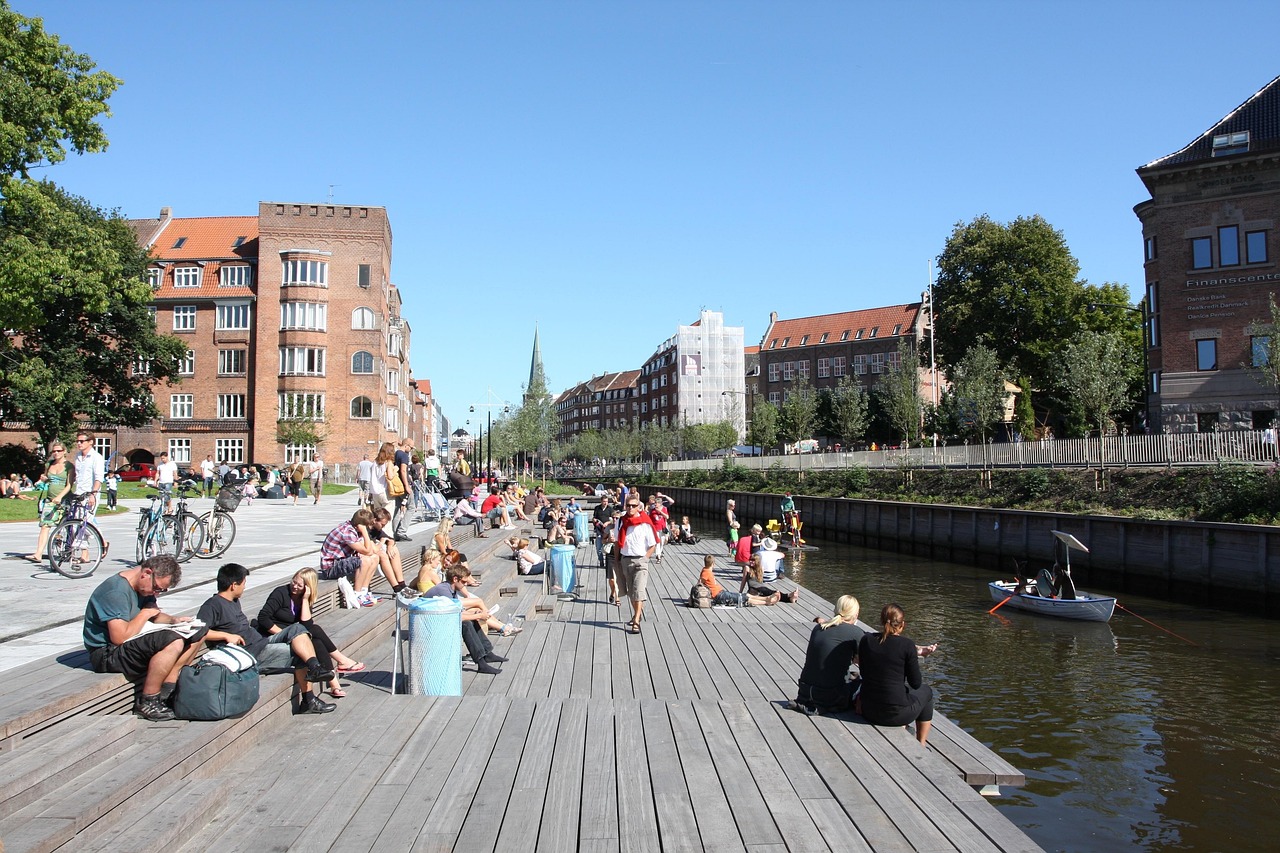
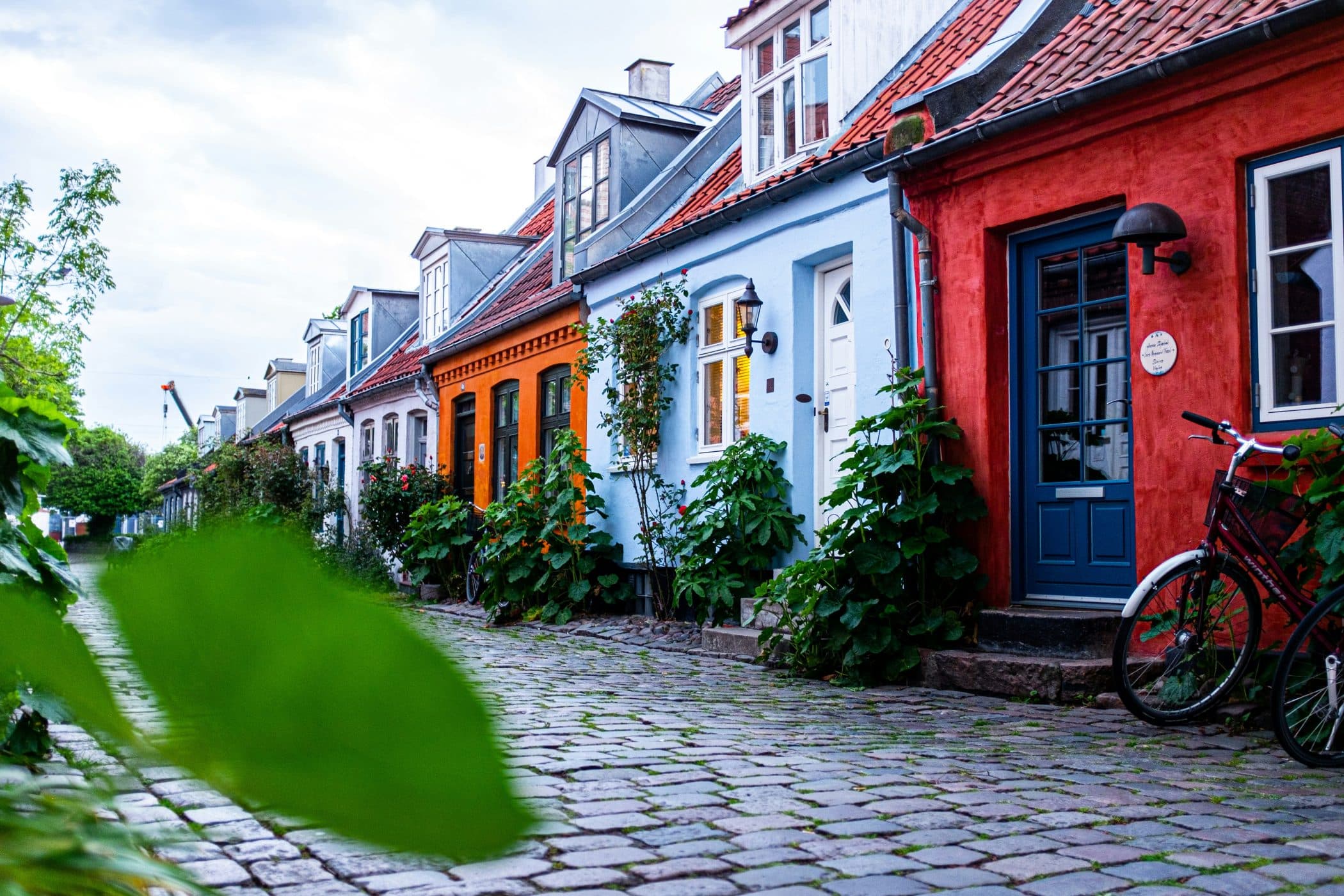
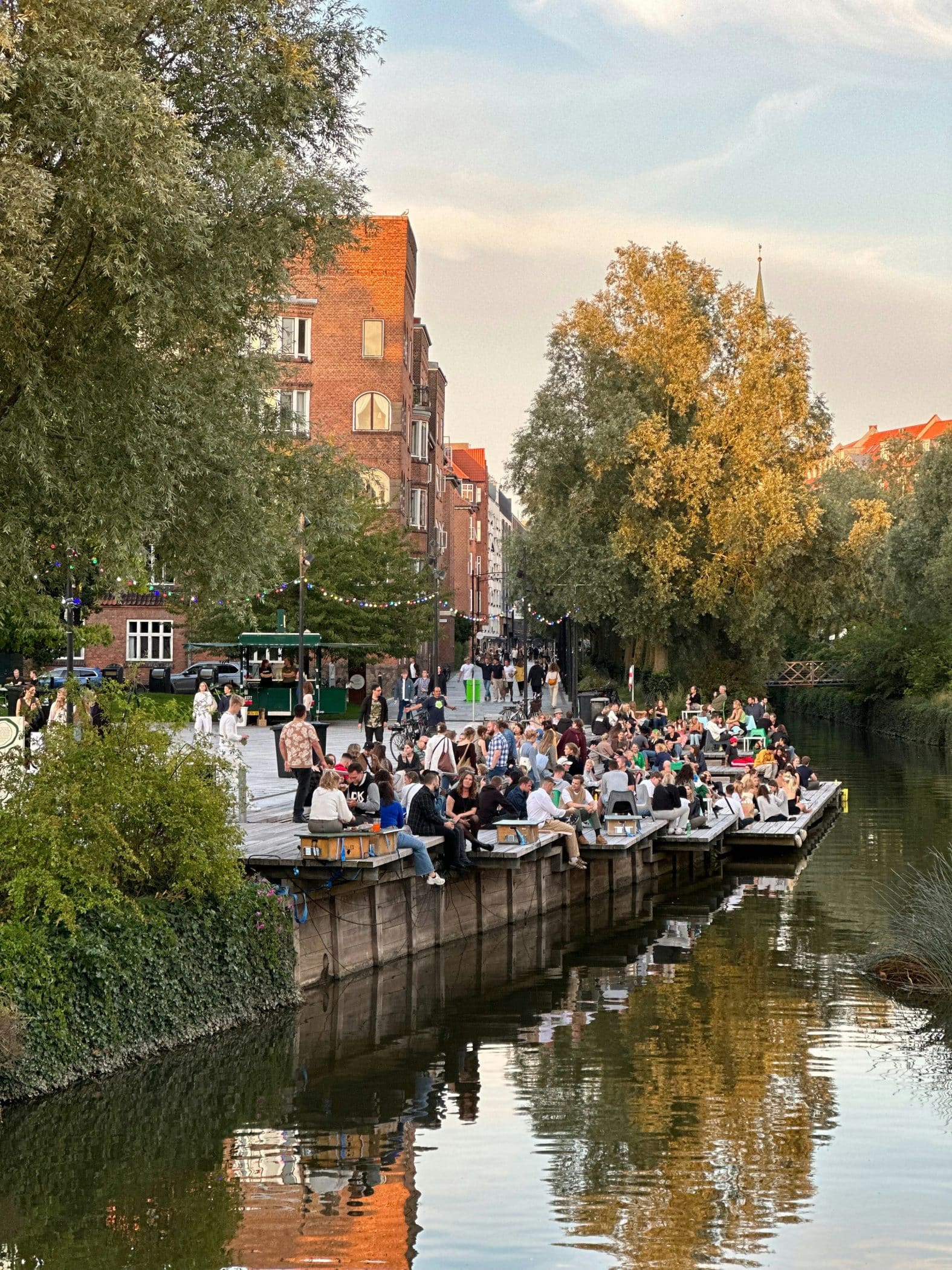
The happiest city in the world pulses with the energy of a large student population and vibrant university culture, with ancient architecture nestled in a landscape of forests, agricultural land, and water. The interweaving of the city with its natural surroundings contributes to an exceptional quality of life. To continue to ensure the high standards locals enjoy, Aarhus needs to transform its energy systems, transport networks, and land use to adapt to climate change.
Technological and social innovation in Aarhus’ rural hinterland
Traditional work around climate change is often focused on measurable and technical improvements: lowering emissions, clean mobility, upgrading buildings. Aarhus continues to make progress on these fronts through its climate action plan, but the CO-SHAPE initiative ventures into different territory; into the peri-urban areas of Aarhus’ rural hinterland.
Spørring, a village on the northern edge of Aarhus’s peri-urban area, was selected as a pilot space to explore these transformations. “We decided to try and make a total green transition of a smaller area of the municipality,” says Riis. “It’s this holistic approach that defines the pilot.”
The pilot envisions the development of a biogenic energy park; an integrated cluster of technologies centred around an existing biogas plant. These technologies are designed to work together as part of a circular, low-emission energy system, where the outputs from one process become the inputs for another.
Key components include converting organic agricultural residues (farm waste) into biogas, processing grass into green animal feed (and potentially human food), and a pyrolysis plant that converts leftover organic material into biochar, a substance that helps store carbon and improve soil health in fields. In the future, the plant may also include solar power, energy storage, systems that capture and reuse waste heat, and Power-to-X technologies that combine captured CO₂ from the biogas plant with green hydrogen from offshore wind to produce sustainable fuels (e-fuels) for aviation and shipping.
Together, these installations could reduce more than 100,000 tonnes of CO2 equivalent annually, which is roughly 10% of Aarhus’ total emissions.
“We are working hard on the technology, but it is governance that represents the biggest barrier to transformation. And so what is front and centre in this project is the innovation in governance,” explains Riis.

A solution room for wicked problems
“I personally have been inspired by the concept of wicked problems; the deeply complex challenges we face on a societal level. I’m absolutely convinced that co-creation is essential to finding solutions,” says Riis.
In practice, co-creation in Aarhus is taking place in the form of ‘solution rooms.’ These are spaces where city staff, citizens, landowners, and developers work through the messy realities of large-scale infrastructure projects.
“Ultimately, it’s about creating the kind of setting where the right people meet. Not through heavy bureaucracy, but through trust, informal dialogue, and a shared understanding of what’s at stake,” he says.
This matters particularly because the facilities involved impact everyone in the area. Riis explains that the facilities can be ugly, smelly, or noisy. Co-shaping the landscape with local citizens who will have to live near the plant is therefore essential in securing their buy-in.
The solution room approach represents a departure from traditional planning processes where developers submit proposals, cities review them, and public consultation happens largely as an afterthought. Instead, Aarhus is experimenting with bringing all parties together from the beginning to negotiate trade-offs at all stages of the project.
This extends internally. The city has created cross-departmental solution rooms to generate discussions within the municipality on the typically separate topics of energy, planning, agriculture, and environment. According to Riis, “the business-as-usual model doesn’t work for complex challenges like this. We need people working together differently.”
Governance needs innovation, and everyone has a part to play
“The most important stakeholders are the local citizens being affected by all these changes in the pilot area,” says Riis. The professional stakeholders – landowners, farmers, and energy developers – are also essential, because they ensure climate impact through technical facilities and new ways of cultivating land. The third group of stakeholders are local authorities, who must facilitate the process and create the solution rooms.
What Riis and his team are trying to understand is what it will take for different stakeholders to participate in land use transformation. “It’s more difficult than we anticipated, but we are already seeing institutional change.” The pilot area in Spørring is the first to apply this fully integrated planning approach, and the principles are now embedded in Aarhus’ climate action plan. Local politicians have also made co-creation a requirement in new renewable energy projects which is strengthening the collaboration between administration and elected officials.
Transformation requires time and risk
“Transformation takes time. These are big institutions and big societal shifts. You can’t change governance culture overnight,” says Riis.
As well as time, Riis believes that accepting risk is also essential; green technologies are market sensitive. Business models can fail. Farmers, developers, and residents each bring their own priorities and concerns. Political support can shift. But rather than viewing this as a deterrent, the CO-SHAPE team treats it as the context within which real transformation must happen.
The city isn’t trying to solve every challenge within the two-year pilot timeframe. Instead, they’re focused on demonstrating that co-creation can work in complex, high-stakes situations involving multiple stakeholders with competing interests.
A co-creation proof of concept
Riis and his team see CO-SHAPE as a proof of concept for governance innovation and integrated spatial planning working together to create systemic change and ultimately affect how the municipality operates more broadly. “We’re trying to create value for everyone involved. If we can do that, then the green transition doesn’t have to be something that happens to people. It can be something they shape,” Riis explains.
Achieving this requires cities to move beyond traditional municipal roles toward shared models that engage public, private, and civil society actors in co-leading the transition. CO-SHAPE is contributing to the ecosystem that makes this possible, equipping other actors — from citizens to private businesses — with the skills, agency, and space to take leadership. The changes in process and culture will build over time and hopefully lead to institutionalised practices that continue after the pilot ends.
In a world where climate solutions often focus on the technical and the measurable, Aarhus reminds us that some of the most important progress often begins in meeting rooms over coffee, where trust brews slowly and the patient groundwork for change is set.