
COP30 daily dispatch from Belém: Climate KIC at the COP of implementation
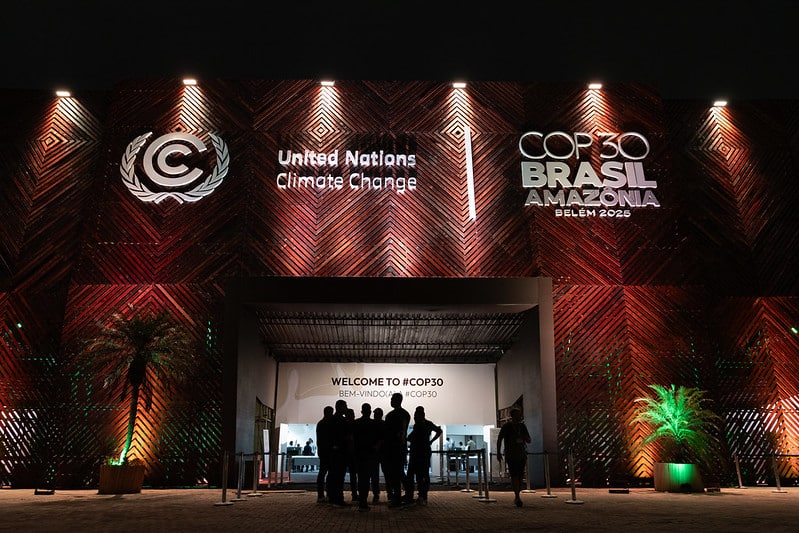
(Photo: © UN Climate Change – Kiara Worth)
Day 1: Opening Day – November 10, 2025
The 30th UN climate conference opens today in Belém, Brazil, marking a symbolic return to the country where the United Nations Framework Convention on Climate Change was born in 1992. With 145 items on an ambitious agenda, COP30 arrives at a critical juncture for global climate action.
Climate KIC has sent a small delegation to Belém to share our expertise in supporting cities, regions, and value chains to bridge the gap between climate commitments and implementation. Throughout the conference, we’ll engage with global partners to drive systemic change and contribute solutions to pressing climate challenges.
The reality check
Last week’s pre-COP Climate Summit saw world leaders urging their negotiating teams to abandon entrenched positions and embrace bold action. The stakes are high. Countries’ newly released Nationally Determined Contributions (NDCs) would cut emissions by only 10 per cent by 2035—far short of the 60 per cent reduction needed to limit warming to 1.5°C, the goal agreed 10 years ago in Paris. Current trajectories point toward a 2.5-2.8°C temperature rise, a pathway that risks triggering dangerous climate tipping points.
Key issues to watch this year
- Finance: Building on COP29’s contentious negotiations – where countries agreed to deliver at least $300 billion annually for developing countries’ climate action by 2035 and work toward mobilising $1.3 trillion in international climate finance over the same timeframe – needs a concrete roadmap, although it’s not officially part of the COP30 agenda.
- Fossil fuel phase out: The historic COP28 agreement to “transition away from fossil fuels” faces pushback and hasn’t been followed by much actions. Some say Brazil might try to launch a process for Parties to agree on a detailed global roadmap including specific timelines, milestones and commitments, although this might take years to draft.
- Tropical Forest Forever Facility: President Lula’s proposed to convene a fund of $125 billion to compensate countries for rainforest preservation. But it has received a lukewarm response, notably lacking UK support.
The COP of truth
First branded as the “COP of people” and then the “COP of implementation”, the narrative is changing towards “truth”. In his last letter to attendees before the COP opens its door, the COP30 president, André Correa do Lago, wrote: “COP30 will be the COP of Truth. Either we decide to change by choice, together, or we will be imposed change by tragedy. We have a choice. We can change. But we must do it together. COP30 can mark the moment humanity begins anew, by restoring our alliance with the planet and across generations.”
Scientific alarm bells keep ringing louder and louder
During the very first COP30 press conference, Johan Rockström, of the Potsdam Institute for Climate Impact Research (PIK), warned that our window for securing a safe climate future is rapidly closing. Even with current Nationally Determined Contributions (NDCs), we’re on track to exceed 2.5°C of warming—a path toward catastrophic climate impacts. Science says emissions must be cut by 40-45 per cent by 2030, yet even these targets don’t reflect the latest research.
Earth itself is showing signs of dangerous weakness, explained Rockström. Its cooling capacity is diminishing, land carbon sinks are under strain, and ocean warming is accelerating at alarming rates. Climate change doesn’t operate in isolation; it interacts destructively with biodiversity loss in a reinforcing feedback loop that amplifies warming and erodes the planet’s resilience to buffer climate impacts.
The economic toll is staggering, with some regions facing 5-10 per cent income losses, while climate-driven threats like dengue outbreaks and groundwater depletion are expanding.
The pathway forward requires scaling carbon dioxide removal responsibly, strengthening carbon market integrity, and implementing carefully designed policy mixes that achieve deep, lasting emission cuts.
Opening ceremony
The conference opened with President Lula urging parties to deliver on the $1.3 trillion climate finance goal, while UN Climate Chief Stiell stressed the need for concrete steps on fossil fuel transition and adaptation indicators.
Brazil demonstrated impressive diplomacy by avoiding agenda fights, promising consultations on contentious issues including developed countries’ climate finance obligations and trade measures.
Climate KIC programme today

The Climate KIC delegation is in Belem to participate in many different sessions. Check our full programme here.
Today, Climate KIC CEO Dr. Kirsten Dunlop participated in two sessions at the UN Climate Change Global Innovation Hub Pavilion.
- The first session explored how AI and open digital infrastructure can accelerate climate transitions in cities, showcasing Brazil’s 50-city CHAMP program and its connection to Europe’s NetZero Cities initiative.
Dunlop opened the session by referencing the recent call in Rio (last week) to strengthen the architecture that enables cities to make decisions capable of leveraging and accelerating the climate transition, and COP30 serving as a platform for mass mobilisation through both the Mutirão and the People’s Assembly. The key questions remain how and when these data can be harnessed to advance these goals. “Our perspective on this should be twofold: addressing the elephant in the room — the environmental cost of AI — and exploring the opportunities it can unlock,” said Dunlop.
- The second session brought together high-level leaders, including UN and ministerial representatives, to examine how innovation ecosystems can unlock sustainable economic development and strengthen global climate partnerships.
The panel brought together a wide range of perspectives — from private and non-profit sectors to representatives of both Brazilian and European national governments. Financing emerged as the most prominent and poignant challenge in the discussion. Speakers agreed that climate ambition should be viewed as an opportunity and that overcoming financial barriers is essential to bring innovation on the ground, but their opinions diverged on how to identify and support the “right projects.”
Luc Gnacadja emphasised the importance of translating climate risks into concrete business realities and of leveraging financial instruments for mitigation.
Dunlop outlined “eight items to meet the present moment,” including: establishing clear baselines for technical and social innovation, as well as fostering a finely tuned orchestration of the “mycelium” connections that require both safety and time to function effectively.
More information on our events can be found here.
November 11, 2025
New major reports
COP is always a time where organisations release their latest reports, as this is the time of the year where many journalists are focused on climate change, and this year is no different.
- The UNEP’s Global Cooling Watch Report warned that cooling demand could more than triple by 2050, nearly doubling related greenhouse gas emissions despite efficiency improvements. However, a ‘Sustainable Cooling Pathway’ could reduce emissions to 64% below expected 2050 levels.
- The UN refugee agency warned that by 2050, the hottest refugee camps could face nearly 200 days of extreme heat stress annually, with many locations becoming uninhabitable due to extreme heat and humidity.
Finance and comitments
Last year, COP29 was branded the finance COP, but the final deal was far from what is needed, according to science. This year, African nations are already calling for fair climate finance, with leaders emphasising they won’t accept additional debt burdens and want to shift from being seen as merely “the vulnerable crowd”. Several African countries have lowered their emissions-cutting ambitions in their latest NDCs, citing lack of funding.
Ten multilateral development banks pledged to scale up adaptation finance for low- and middle-income countries, while the Climate Investment Funds raised $100 million from Germany and Spain.
China’s Position: China declined to contribute to Brazil’s rainforest protection fund (TFFF), arguing developed nations should lead climate financing based on “common but differentiated responsibilities”.
New initiatives
COPs always come with their lots of new initiatives. On the first days:
- 19 countries signed Brazil’s “Belem 4x Pledge” aiming to quadruple sustainable fuels use by 2035, which has already been criticised by NGOs. CAN International said “scaling up these technologies promotes further extractivism particularly in the Global South, with hydrogen infrastructure and bioenergy crop growth and incursions to natural ecosystems posing serious risks to socio-economic wellbeing, human rights and to the climate itself.”
- The 100×100 Campaign launched, seeking commitments from 100 island jurisdictions for 100% renewable energy by 2045
- The EIB expanded its Green Checker tool globally to help design and secure green project funding
Is China leading the way?
On Tuesday, media revealed that China’s CO2 emissions have been flat or falling for 18 consecutive months through September 2025, with transport emissions down 5% due to electric vehicle adoption and massive renewable energy expansion—240 gigawatts of solar and 61 gigawatts of wind added in nine months.
Climate KIC’s active day

Climate-KIC had a packed schedule on Day 2 of COP30, participating into multiple events that explored transformative approaches to climate action. Among their key sessions was one focused on Climate KIC’s Deep Demonstration programme in Slovenia.
Sandrine Disxson Decleve, from the Club of Rome, discussed how the circularity movement has been reduced to recycling when it should encompass a holistic approach extending to regeneration. She mentioned Europe’s critical resource dependencies and need for a complete mindset shift. Slovenia’s experience demonstrates that proper governance models and Deep Demonstrations can promote systemic circularity, though the main obstacle remains governmental silos with ministries thinking individually rather than holistically across both demand and supply sides. Uroš Kirste, Slovenian State Secretary for Environment and Climate, highlighted Slovenia’s advantages as a case study: general public awareness and the country’s small size makes multi-stakeholder engagement easier, though maybe less globally scalable.
Another session on securing urban and bioregional futures examined the intersection of climate resilience, governance, and economic systems. In this session, Climate-KIC’s Kirsten Dunlop highlighted a critical challenge facing the climate movement: fragmentation. She emphasised the urgent need for collective action to address the scattered nature of climate initiatives, pointing to the complex interplay between systemic risks and transformative opportunities in human settlements. Dunlop’s framing positioned the discussion as one that goes beyond traditional resilience thinking, calling for innovative approaches to create sustainable lifestyles and infrastructure.
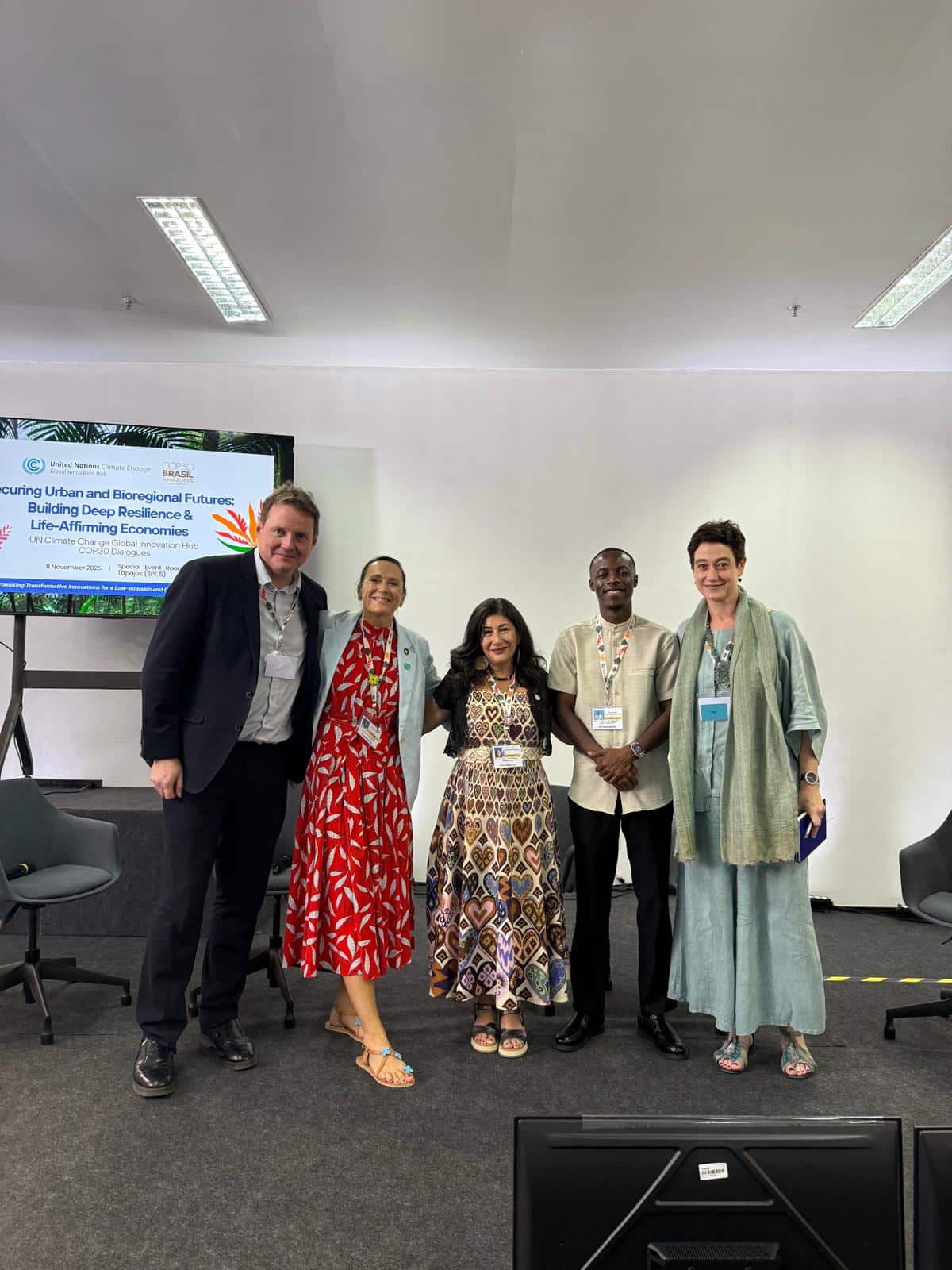
The session brought together diverse perspectives from experts like Indy Johar, who warned of security risks from climate volatility and social inequality, and Eleni Myrivili, who shared insights from her experience as deputy mayor of Athens during simultaneous economic and climate crises. The conversation underscored Climate KIC’s holistic approach to climate action—one that connects urban resilience with bioregional thinking, challenges inadequate neoliberal economic models, and advocates for trust-based financial systems that can support community-led adaptation. The session also explored pressing issues like extreme heat in cities, the vulnerabilities of informal settlements housing a billion people, and the need for new governance models that empower indigenous communities and youth movements working at the intersection of climate justice and economic transformation.
Tom Michell from the IIED illustrated the stark contradictions in current climate resilience efforts, pointing to Bangladesh’s influx of 2,000 people daily as emblematic of the volatility facing vulnerable regions. While acknowledging hopeful hyper-local showcases, he questioned whether global systems can truly help when climate finance in the formal sector represents less than 0.1% of investment flows—a failure he attributed to climate adaptation often conflicting with entrenched political and economic forces. Mitchell emphasised the enormous gap between current practice and the systemic change needed, arguing that addressing climate finance meaningfully would require confronting situations that powerful actors deny or actively resist, underscoring how far the field must go to translate rhetoric into reality.
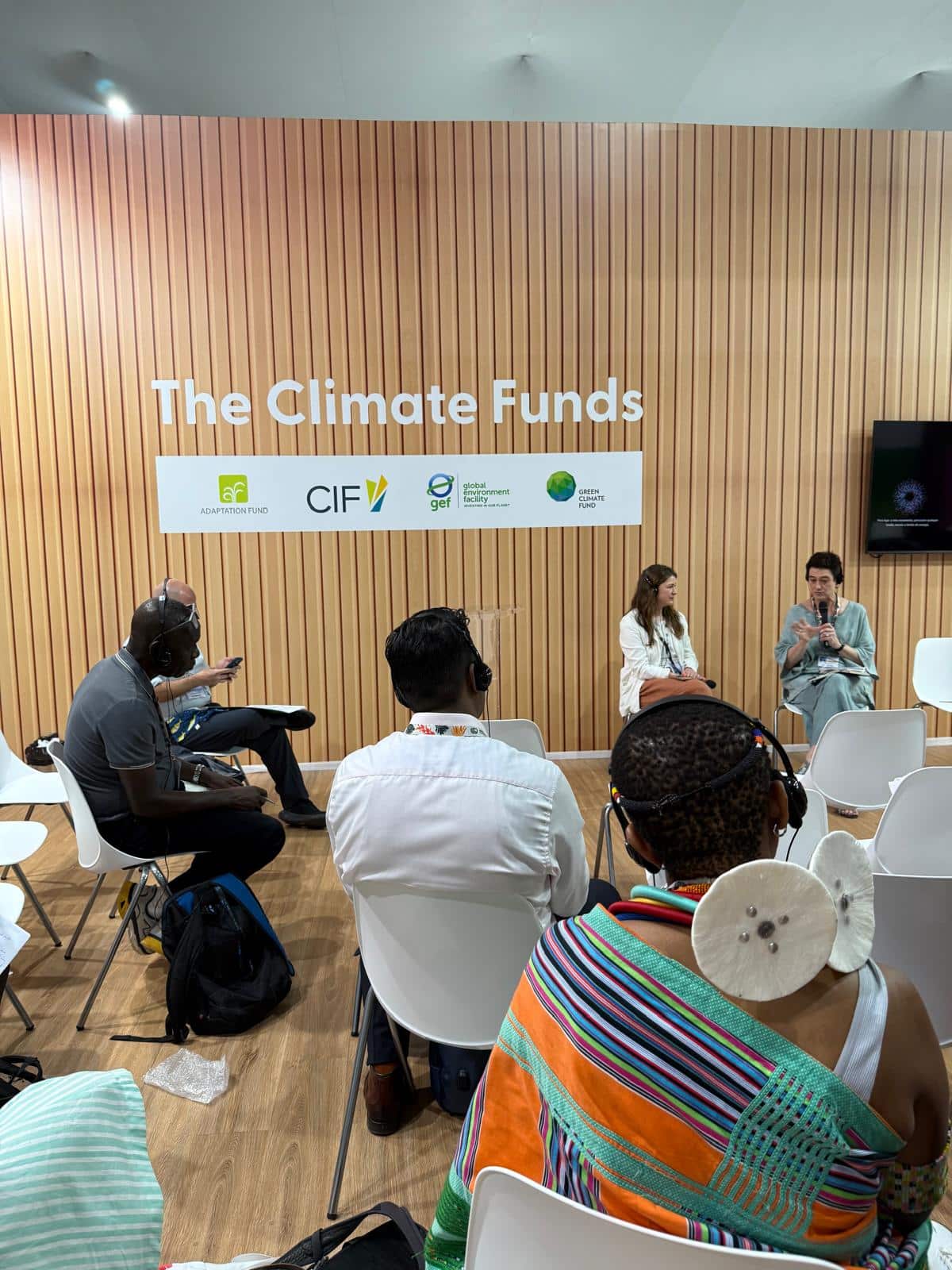
In another session titled “Growing Global Adaptation and Resilience Investment”, Dunlop emphasised the need for taxonomies and standards in the growing adaptation finance marketplace while recognising its deeply contextual nature. She highlighted a critical challenge: adaptation investments face a “return on invisibility” problem—successful risk avoidance produces no visible outcomes, making it difficult to attract funding, particularly from first-time climate funds that often lack dedicated adaptation allocations. She called for a shift from top-down mechanisms to co-creative approaches that leverage communities of practice and cross-regional perspectives.
November 12, 2025
Day three of COP30 in Belém saw a mix of concrete developments and persistent divisions among negotiating parties. Brazil’s presidency announced progress during the consultations related to the four contentious issues – including finance obligations and emissions-cutting ambition – but “more sessions are needed to enhance a safe environment of trust between Parties,” said COP30 President, Ambassador André Corrêa do Lago.
During a press conference, the EU highlighted the unique challenge of this COP: the absence of a formal agenda item to assess the gap between current national climate pledges and the pathways needed to limit warming to 1.5°C. Meanwhile, the UNFCCC released its first synthesis of countries’ biennial transparency reports, revealing that nations have collectively implemented around 3,400 policies aligned with their climate commitments, with over 60% focused on energy and transportation sectors.
On the finance front, a coalition of 134 developing countries called for a “just transition mechanism” to ensure the shift from fossil fuels to clean energy protects workers and promotes social justice—a proposal that could be developed in 2026 for adoption at COP31. Developing nations are also rallying behind a proposal to triple adaptation finance to $120 billion annually by 2030, though many developed countries remain opposed.
Beyond the negotiating rooms, COP30 launched important initiatives, including a UN roadmap for the advertising industry to transition away from fossil fuel business, and ten countries endorsed a Declaration on Information Integrity to combat climate disinformation.
Climate KIC’s busy third day
The Climate KIC delegation had another busy day, with four sessions including a panel discussion where speakers tried to unpack and debate what systems change means in the context of achieving strong, equitable and resilient societies, together with REN21. During the conversation, Climate KIC CEO, Kirsten Dulop, identified two critical elements for achieving real transition: mindset shifts through education—breaking complex issues into focused, ordered pieces rather than the current scattered approach—and understanding the “dark matter” of real incentives that prevent us from thinking about flexibility and stability as core system functions. From democratising energy through community mobilisation, to shifting institutional questions from “what can we fund?” to “what can I do for the system?”, the discussion underscored that authentic systems change requires fundamentally rethinking what gets incentivised and financed across sectors.
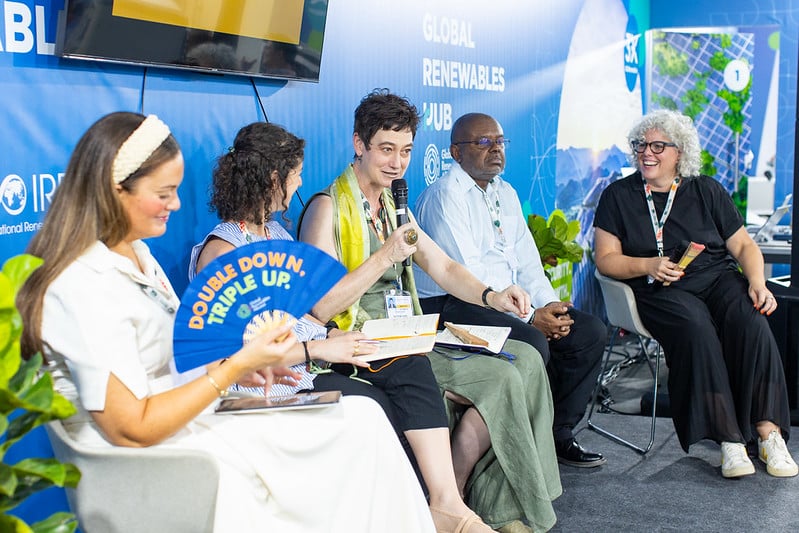
At another session with PIK on emerging technology solutions for planetary health, Dunlop challenged conventional approaches to the energy transition, arguing that cost-effectiveness cannot be the sole measure of success. “We often shut things down simply because they are not immediately profitable,” she noted, calling for a fundamental rethinking not just of technology but of the entire political system governing transitions. Scale is mission-critical, said Dunlop. This requires a quick alignment between industries, cities, and regions to create common cause. In Europe, the continent simply doesn’t have access to the metals required for its renewable transition, which will fundamentally change the entire energy paradigm and necessitate different solutions depending on spatial and energy scales. Barbados Ambassador Tonika Sealy Thompson discussed how island nations are driving mindset and behavioral change, while challenging the false notion that money is scarce and calling for less punitive finance mechanisms and redefined outcome measurements that focus on lives improved rather than workshops delivered.
Watch the session here:
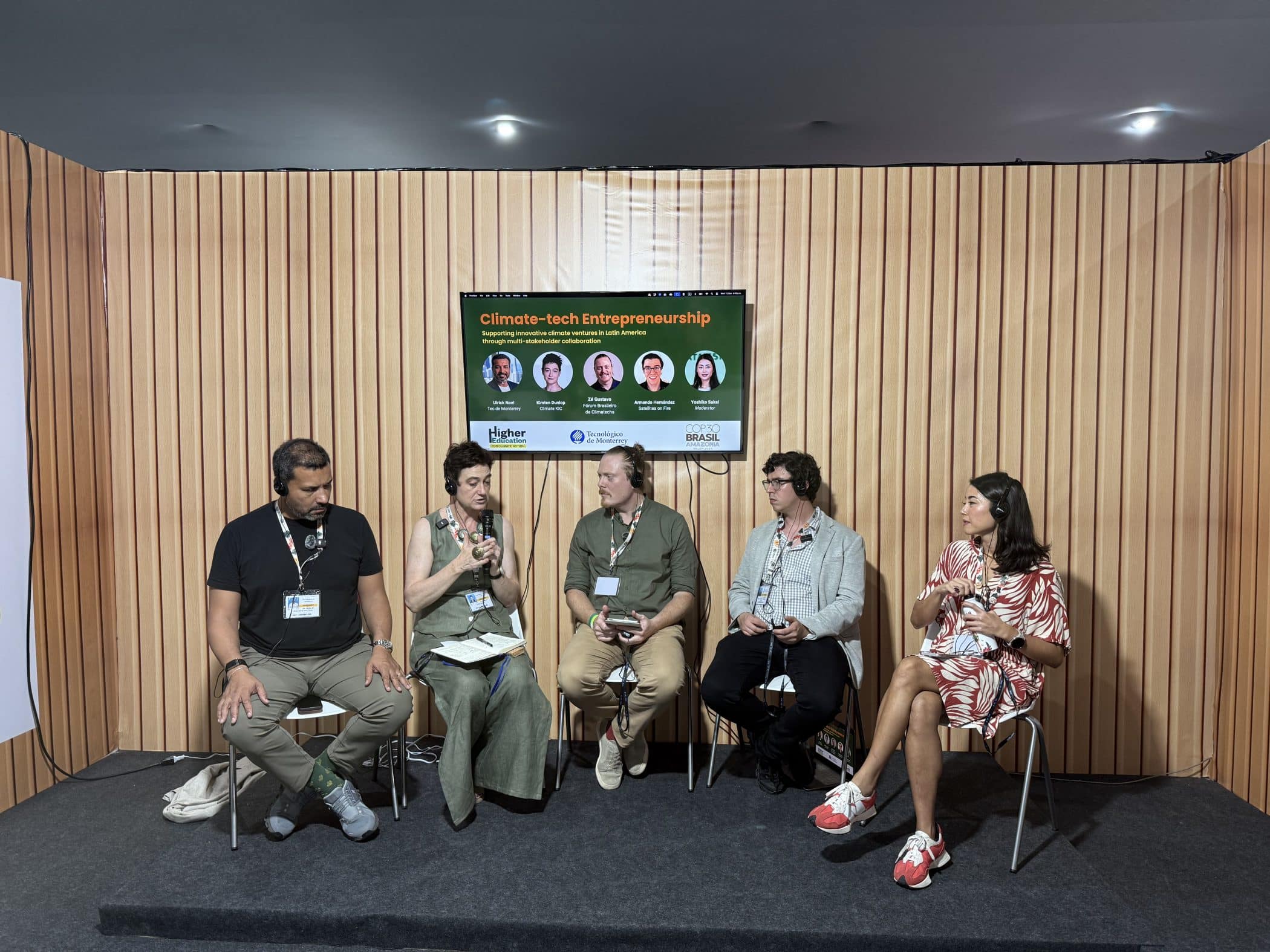
At the “Supporting innovative climate solutions and climate-tech startups through multi-stakeholder collaboration” session, Climate KIC CEO Kirsten Dunlop emphasised the foundational importance of the Knowledge Innovation Community (KIC) model in creating capability and capacity through an ecosystem mentality centered on the knowledge triangle. Established with a 15-year mandate and support from catalytic funders willing to back systemic change, the European Institute of Technology operates as a community institution designed around what Dunlop described as a “mycelium structure” requiring radical collaboration. She challenged the prevailing funding logic that promotes competition between solutions, arguing instead that “we need to think and act as a tribe” and design economic principles that are fair, distributive, and accelerate transformation. The panel heard from diverse voices including Satellite on Fire, one of Climate KIC’s youngest Catalyst teams—founded by 19-year-olds who witnessed family and friends lose homes to wildfires—demonstrating how new generations embody the urgency of living the climate crisis.
In her closing remarks, Dunlop outlined three essential elements for scaling climate-tech entrepreneurship: embracing “cathedral thinking” (building something we may never see completed in our lifetime), building trust through giving it rather than demanding it first (as ecosystems thrive on collaborative reference models), and focusing on process and governance through constant dialogue and socially neutral pathways. She stressed the need to move beyond the binary of mitigation versus adaptation and address the fundamental scaling challenge: “how do we go from hundreds to hundreds of thousands?” Dunlop called for a fundamental shift in mental models and the recoding of systems thinking. She said that mobilising people must remain a constant, deliberate effort—referencing the COP30 “mutirão spirit” of collective action. The panel reinforced these themes, with speakers noting that history shows it only takes 2-3% of the population to start a movement, and that we need to build “an army of entrepreneurs fighting for future generations” while stopping the fragmentation caused by competitive funding structures and siloed thinking.
November 13, 2025
Thursday was health and adaptation day at the COP30 and the Presidency launched the Belém Health Action Plan, an international initiative to strengthen health systems’ resilience and adaptive capacity to climate change. Led by Brazil, the plan unites countries around a shared goal: to strengthen surveillance, boost local capacity, and foster innovation to protect communities from climate-related health risks. More than 35 philanthropies also came together to announce a new Climate and Health Funders Coalition with $300 million to drive practical solutions and support the Belém Health Action Plan.
In the negotiation front, an informal note compiling elements for a draft decision on the “global goal on adaptation” (or GGA) includes an option calling on developed countries to “at least triple their collective provision” of adaptation finance by 2030, with a target to reach $120bn.
Finance is also high on everyone’s minds in the Blue Zone. Commissioned by the COP29 and COP30 presidencies to suggest a pathway for the “Baku to Belém roadmap to $1.3tn” of finance mobilisation, the Independent High-Level Expert Group on Climate Finance has laid out what it calls an “entirely feasible path” to mobilising that money. According to their analysis, the main providers would be external private finance – which needs to rise 16 times – and multilateral development banks.
Climate KIC programme

Climate KIC CEO, Kirsten Dunlop, joined a panel on “The Nature-Based Solutions Opportunity”, with Santander, the World Economic forum and Capital for Climate. “We need to bring all stakeholders together to achieve regenerative solutions at scale,” she said, highlighting that the current financial system views restorative practices as costs rather than long-term benefits. We also need a fundamental shift in how we measure value. The Amazon’s role in planetary stability, for instance, should be recognised as core economic value. To make currently “unbankable” solutions viable, Dunlops calls for widening metrics to include the real cost of risk and holistic value, while ensuring that communities implementing these solutions are properly compensated. This is about changing the narrative, and telling a different story about risk, investment, and climate that integrates these broader understandings into financial systems.
In another panel, aimed at linking cities, clean investments, and climate action, speakers talked about how to finance urban climate solutions through sustained stakeholder dialogue and innovative financing models. Kirsten Dunlop used the EU Cities Mission, NetZeroCities programme requires up to 650 billion euros, with 80% needing to come from the private sector, which must shift from looking at past project models to future-oriented approaches. She advocated for outcome-based finance and using cities’ existing infrastructure as leverage to de-risk climate investments through insurance mechanisms. Other panelists highlighted the importance of building ecosystems that bring stakeholders together, with cities playing a crucial convening role to help companies collaborate and scale their climate solutions. The discussion centered on moving from understanding opportunities to translating needs into actionable supply tasks through data-driven dialogue and contextual decision-making.
Dunlop also joined “The Regenerative Blueprint: Architecture, Media and Youth reimagining” session, moderated by 13-year-old Prasiddhi Singh. “Cities as the critical spaces where climate resilience must be built,” Dunlop explained. They are sites for upholding the social contract of collective care and collective interest, places where we learn to use resources more efficiently and realise our potential as social animals, creating something greater than the sum of our parts. Dunlop warned that without urgent action, many cities could become unlivable, with temperatures rising up to 8 degrees warmer, and stressed the need for a fundamental partnership with nature to ensure urban habitability.
November 14, 2025
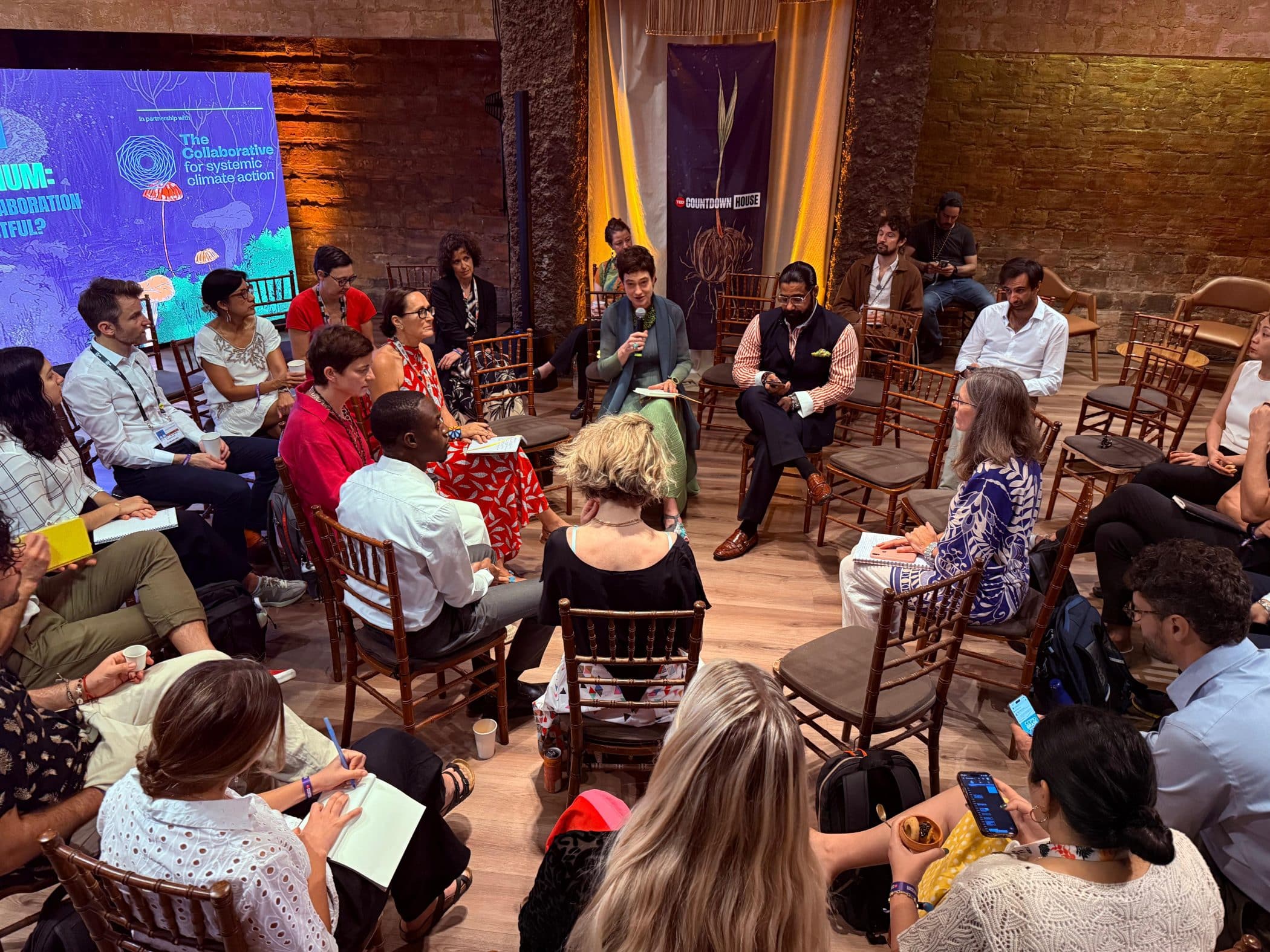
The “Funding the Mycelium” session, organised by the Collaborative for systemic climate action at COP30, explored how funders can make collaboration itself an investable priority rather than maintaining competitive silos. Speakers included Kirsten Dunlop from Climate KIC, Sandrine Dixson-Declève from The Club of Rome, but also CEOs and Directors from Kite Insights, Pyxera Global, Futerra, Youth Climate Justice Fund, and Reos Partners.
Radical collaboration requires funding intersectionality, sense-making about timing and needs across different actors, and financial independence that allows for honest criticism and knowledge sharing, explained the speakers. The session emphasised that true collaboration involves not just knowledge sharing but also navigating conflicts, demystifying complexity, and creating shared goals—acknowledging that while collaborations are not cheap and returns on investment are harder to measure, they are essential for generating the “watersheds” of deeper impact needed at this critical moment in the climate crisis.
“Collaboration is a journey. creating a shared goal is hard but necessary,” said Yash Raj Ranga, Director Parternships & Innovation, Pyxera Global.
The mycelium metaphor captured the vision of creating networks of networks and movements of movements, where diverse actors feel comfortable participating in a collaborative ecosystem that prioritises what needs the most impact at any given time.
November 15, 2025
Saturday marked the close of Subsidiary Body sessions, revealing deep divisions as negotiations entered their most intense phase. The Global Goal on Adaptation (GGA) hit an unexpected roadblock when African countries and the Arab group demanded a two-year postponement to incorporate means of implementation (as in, financing commitments) into the text—what was meant to be an easy win became mired in controversy over whether finance belongs in GGA discussions.
Trade emerged as one of the COP30 first week’s most contentious issues, with China, India, and others pushing back against US and European restrictions they say contradict collaborative climate efforts. The EU insists this belongs to the WTO, not the COP.
The Just Transition negotiations saw significant movement, with G77+China calling for a Global Mechanism for Just Transition, while the EU proposed an institutional arrangement—though NGOs say it falls short of what’s needed. For the first time, overwhelming support emerged for including transition minerals within UNFCCC text.
Tensions flared during closing plenaries when the EU, Chile, Australia, Bangladesh, New Zealand, the UK, and Canada denounced countries refusing to acknowledge the IPCC as providing best available science or recognise 2024’s temperature records. “
As technical work must be completed by Tuesday for ministerial negotiations to begin, the Presidency will convene a “Mutirão” to move things forward.
But perhaps the most covered event of the weekend in the media was the Great People’s March, where thousands of indigenous people, activists, youth, and COP30 delegates marched in Belém, for what was the first mass protest at a UN COP conference since 2021, to demand greater environmental protection and more action against climate change.
November 17, 2025
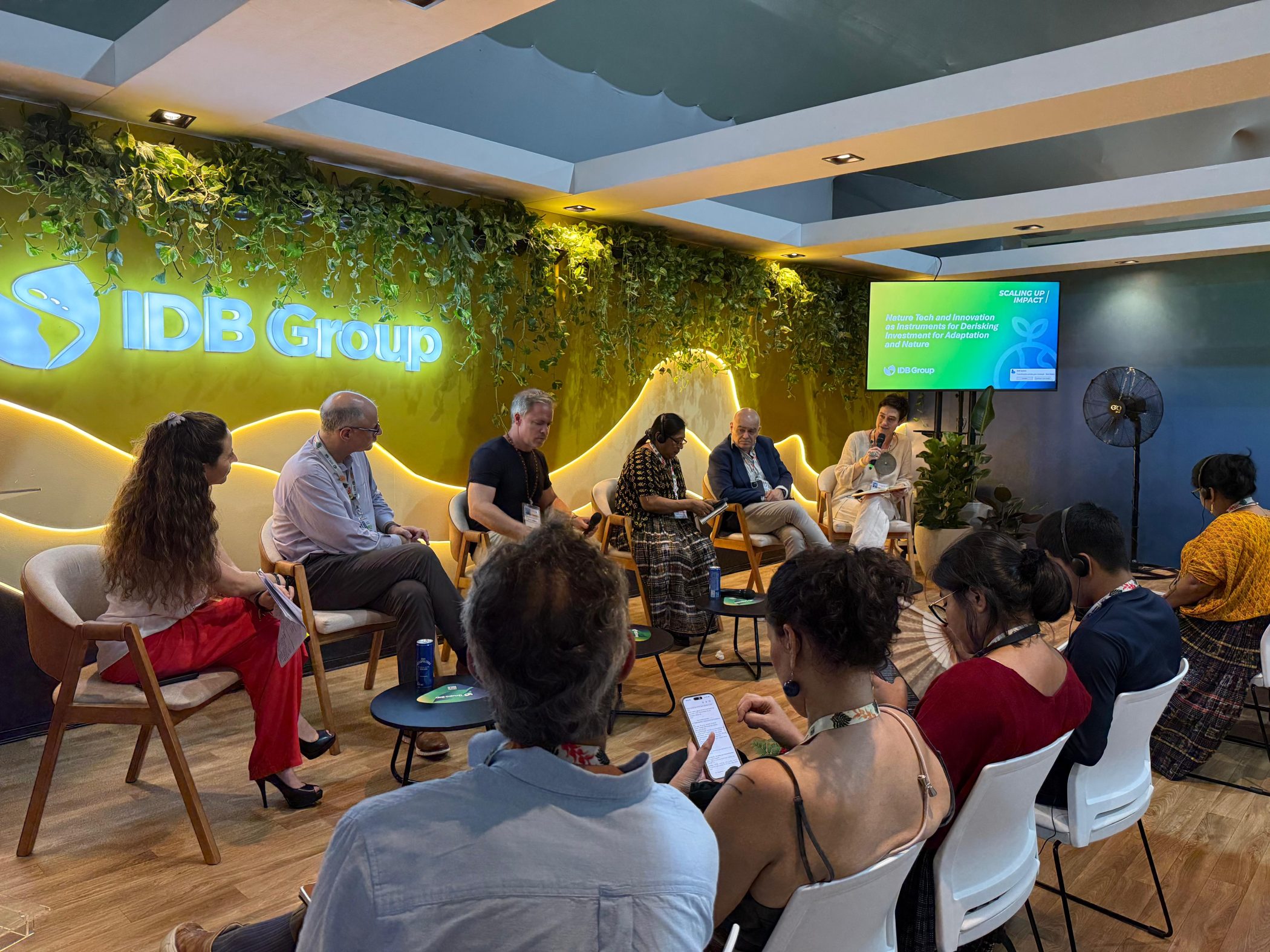
At the NaturaTech and Innovation as instruments for derisking investment for adaptation and nature session at COP30, Kirsten Dunlop, CEO of Climate KIC, presented a systemic approach to making nature-based solutions investable. Dunlop argued for redefining value beyond purely financial terms to include landscape and transversal correlations. She stressed the importance of collaboratively modelling risk together with financial and insurance supervisors, development finance institutions, and banks, since their entire systems depend on stability, while acknowledging the need to accept a fundamental degree of uncertainty in these investments.
Lola Cabral from AK Tenamit explained that respect for life and Mother Nature is the foundational principle for Indigenous peoples, and that these communities have an essential role in conserving nature. Cabral stressed that collective and territorial rights are central to Indigenous worldviews, and that investors must recognise decisions should be made by Indigenous peoples themselves. Funding, she insisted, is not reaching Indigenous communities largely due to a lack of understanding that they can manage and be responsible for these funds, with systems often imposing intermediaries and impossible requirements that create barriers to access. Lola stressed that local Indigenous governance systems must be respected and that maintaining trust is essential throughout the entire process for effective nature-based solutions.
In another session on Measuring Wellbeing in an Era of Tipping Points, Johan Rockström, Director of the Potsdam Institute for Climate Impact Research, warned that the Amazon and coral reefs are nearing critical tipping points that threaten global carbon stability. Despite worsening conditions all over the planet, he insisted that the window to turn things around remains open. The panel discussion brought diverse perspectives on planetary health and wellbeing. Professor Jemilah Mahmood talked about the need to rethink value systems and ensure accountability, noting that “the narrative has to be right” and that a sense of possibility still exists.
Laetania Belai talked about equity and representation, asserting that groups most vulnerable to climate change are also those who hold the solutions, yet they still face systemic barriers to self-determination and political representation. Communities must be able to decide, govern, and thrive on their own terms, with resource solutions coming directly from them, she insisted.
Kirsten Dunlop built on themes of dignity and justice. She noted that 80% of emissions are locked in at the design stage and called for design principles that align innovation with life-supporting systems through “transformation design for life.” Dunlop stressed that innovation must operate at the systems level rather than focusing on single technologies, requiring radical collaboration despite cultures wired for hero narratives and competition.
Stephen Cornish from Médecins Sans Frontieres, addressed the continuing lack of funding promised over a decade ago, and called for concrete actions now to rebuild trust and demonstrate that commitments can be met.
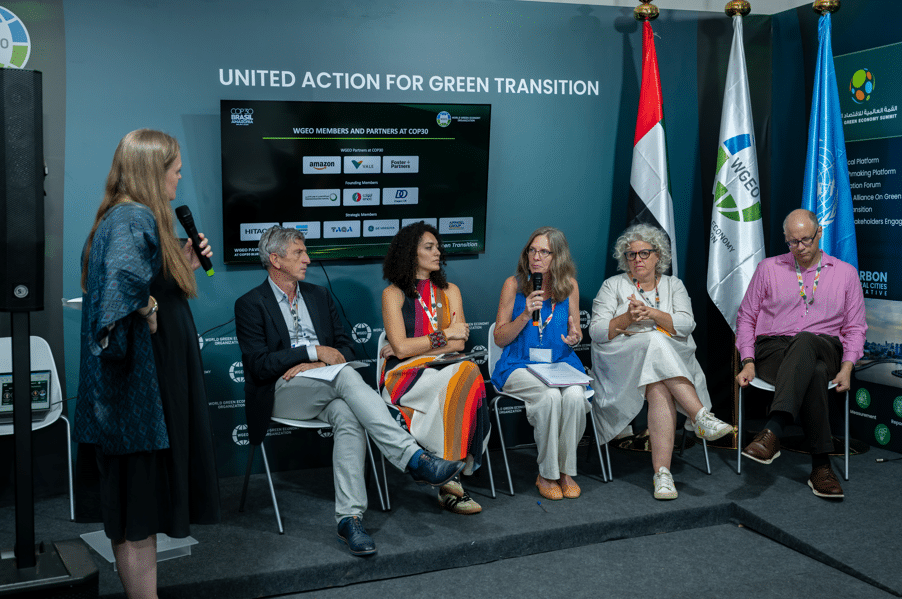
Heavy rain during the “Reimagining Collaboration – Systemic Approaches to Accelerate Climate Action” panel became symbolic, with nearly all panelists referencing the need to listen to nature as both a model for collaboration and a reminder that we may not be paying attention to nature’s signals.
The discussion centered on positive developments and areas needing improvement in cross-sector collaboration. Rana Adib from REN21, representing a network of 120 members, emphasized the need to listen better to one another and transition toward new rules for multi-actor collaboration, viewing diversity as strength. She called for examining not just how we collaborate but the diversity of collaboration types themselves.
Christel Scholten from Reos Partners stressed the importance of mapping the ecosystem to identify who must be in the room while avoiding silos, with priority on creating the conditions for trust and collaboration to emerge.
Manuela Cantalice from the Tropical Forest Forever Facility highlighted their work bringing Indigenous peoples to the negotiation table as equal partners, asking how to ensure funds truly reach the ground. She stressed the importance of translating worldviews and languages, designing equitable participation processes, and speaking from the heart as humans building connection, not just institutional identities.
Yuri Suarez from IDB Labs noted that while tremendous collaboration already exists, we need to focus on quality over quantity, understanding impediments to deeper connection including the lack of room for failure, and being thoughtful about how we produce collaboration rather than expanding it for its own sake.
November 18, 2025
Yesterday , the COP30 Brazilian presidency released a draft text on a “global mutirão”—a Portuguese term capturing the spirit of collective community effort—designed to weave together the summit’s four central tensions: finance, trade, transparency, and ambition. The text is still bristling with brackets and contested options, but its very structure signals an attempt to hold together the competing demands of the moment, repeatedly anchoring proposals to the imperative of “keeping 1.5C within reach.”
On finance, the draft calls for accelerated provision with multiple options on the table for tripling adaptation funding. On ambition, proposals range from annual COP discussions on collective progress to a voluntary “global implementation accelerator” or a “Belém roadmap to 1.5C.”
But perhaps most contentious are options on national roadmaps for phasing out fossil fuels and addressing deforestation—though notably, one option simply calls for “no text” at all, revealing the depth of disagreement.
Following the release of the letter, a group of over 80 countries led by Denmark, who hold the current EU Presidency, convened a joint press conference demanding that the Mutirão decision include a commitment to develop a global roadmap for transitioning away from fossil fuels. The coalition spans developed economies, major developing nations like Colombia and Kenya, and vulnerable Pacific island states. This is quite exciting, especially as the fossil fuel phase-out discussion is not part of this year’s items to negotiate.
Climate KIC’s session
During a session on “Innovative Approaches to Driving Climate Action”, Kirsten Dunlop started by saying: “We’re moving from a decade of climate politics to a decade where the real focus is on the economics of climate” and on financing of climate action. Real change, she argued, requires going to the roots of our systems through active listening, relationship-building, and breaking silos. Multilevel governance matters, especially when it is human-centred, with proximate approaches where non-state actors lead. Cities, she said, are market shapers. Through procurement, commitments, and data, cities are becoming owners of lead markets and setting conditions that industries eagerly follow. Cities determining market signals is key to acceleration.
She concluded by stressing that we must move from despair to hope. The vision cannot be about what we lose, but about safe, just, beautiful, resilient places. We need to unlock stories and citizen science, foster care for the planet. “That’s what actually mobilises people.”
Another session on ASEAN’s ambitious plan to integrate its power systems revealed that the energy transition is far more complex than swapping fossil fuels for renewables. The ASEAN Centre for Energy is pursuing an unprecedented vision: a single regional power grid connecting all member states, with the first-ever multilateral power trade already underway across Lao PDR, Thailand, Malaysia, and Singapore. But this transition carries hidden costs. Mineral demand will double by 2040, yet mining for transition metals is reproducing the environmental devastation of coal—deforestation, water contamination, biodiversity loss, mercury exposure to communities. Regulations and safeguards are needed for the transition to be fair, and sustainable for all.
Kirsten Dunlop stressed that despite its climate ambitions, Europe still lacks the truly integrated energy system ASEAN is now proposing—a gap starkly revealed by energy dependencies exposed during the Ukraine war. What is needed, is to move beyond isolated projects to systemic transformation: aligning value chains, demand and supply, and energy democracy itself. This means designing for resilience against both technical failure and geopolitical dispute. It demands innovative solutions and long-term investment coalitions that can mobilise public and private capital together.