6 ways to integrate renewable energy into agriculture
Across Europe, farmers are facing a dual challenge: how to produce food sustainably while adapting to the growing impacts of climate change. Rising energy costs, shifting weather patterns, and increasing pressure on natural resources are testing the resilience of farming systems. That said, agriculture holds an untapped potential to lead Europe’s green transition – by reducing emissions, and also by producing clean energy itself.
Through the HarvRESt project, where Climate KIC is a key partner, we’re working with farmers, researchers, and innovators to demonstrate how renewable energy sources (RES) can be integrated into agriculture in ways that reduce emissions and open new economic opportunities.
As Europe’s leading climate agency, our contribution to HarvRESt connects technical innovation with systems thinking – demonstrating that renewable energy integration represents a systemic shift that can redefine the relationship between farms, communities, and ecosystems.
A new role for farms in the energy transition
In the EU-27, fossil-fuel use accounts for around 17% of agricultural greenhouse-gas emissions. While this is not the largest share of the sector’s footprint, reducing it is vital to achieve climate neutrality. Renewable energy can help cut these emissions while also protecting farms from volatile energy markets and strengthening local energy security.
What makes renewable energy in agriculture transformative is its potential to act on multiple systems at once: energy, food, land, and rural development. Building on our work with the HarvRESt project, we’ve identified six ways to integrate renewable energy into agriculture without compromising food production or biodiversity.
1. Wind energy – fitting technology to place
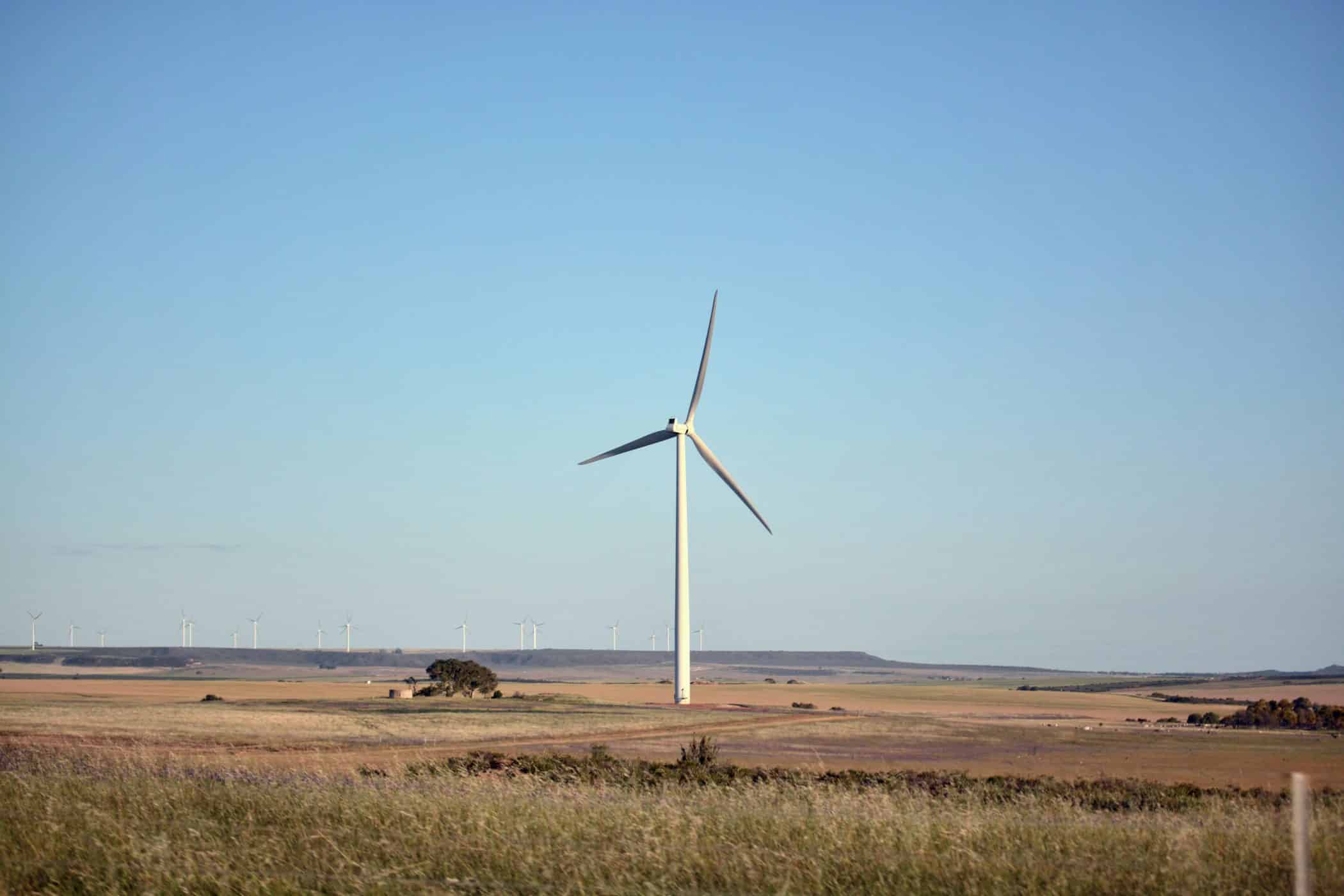
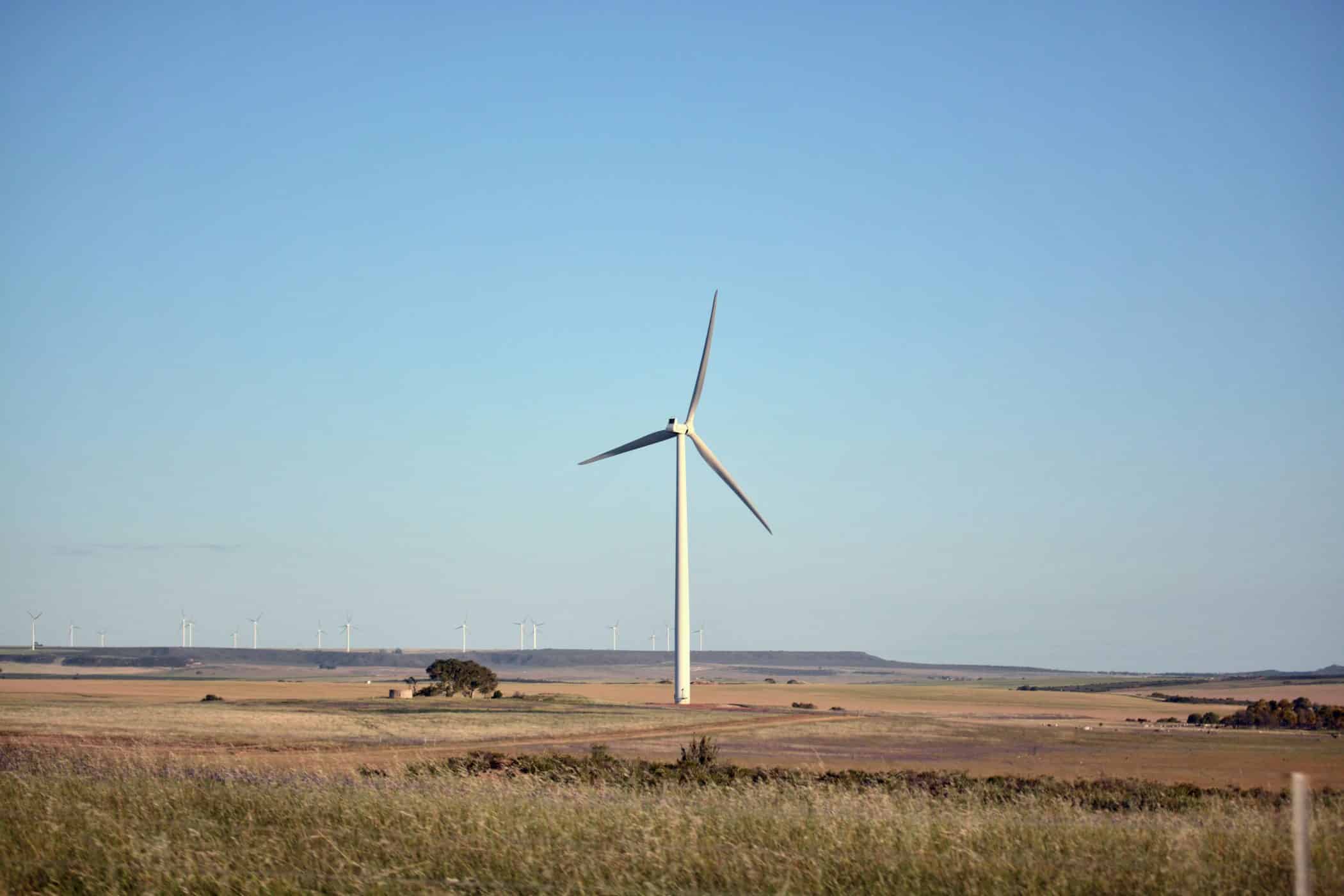
Wind power offers farmers a stable source of clean energy and an opportunity to diversify income. The key lesson from our pilots is that context matters: turbine placement, crop selection, and local ecosystems all determine whether wind energy complements or conflicts with agricultural production.
Locating turbines in high-wind areas improves efficiency while minimising disturbance to wildlife. Integrating turbines into grazing areas avoids competition for arable land, and partnerships with external investors can make projects financially viable for smaller farms. Hybrid systems that combine wind and solar are proving especially promising in ensuring reliable, round-the-clock energy supply.
2. Solar energy – dual land use for food and power
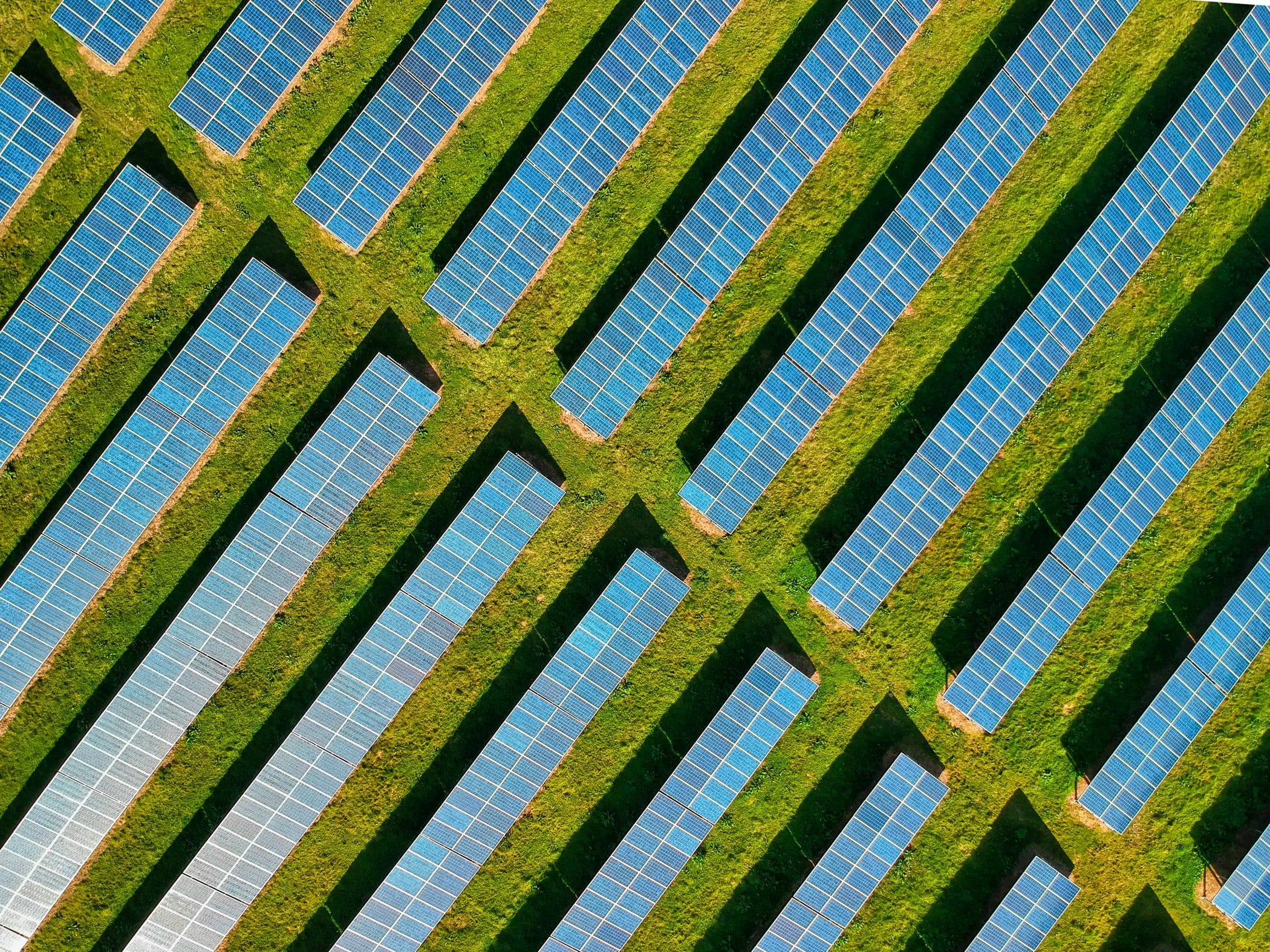
Solar technologies, particularly agrivoltaics, have huge potential to reshape how we use agricultural land. By positioning photovoltaic panels to allow sunlight to reach crops, farmers can generate electricity while maintaining or even improving yields.
We’ve seen that agrivoltaic systems can enhance biodiversity, reduce water evaporation, and provide microclimate benefits. Tailoring installations to crop type and geography is essential, as is monitoring performance post-installation to manage technical and financial risks. The social dimension also matters: involving local communities and forming cooperatives helps build acceptance and spreads the benefits of clean energy more widely.
3. Biomass – closing resource loops
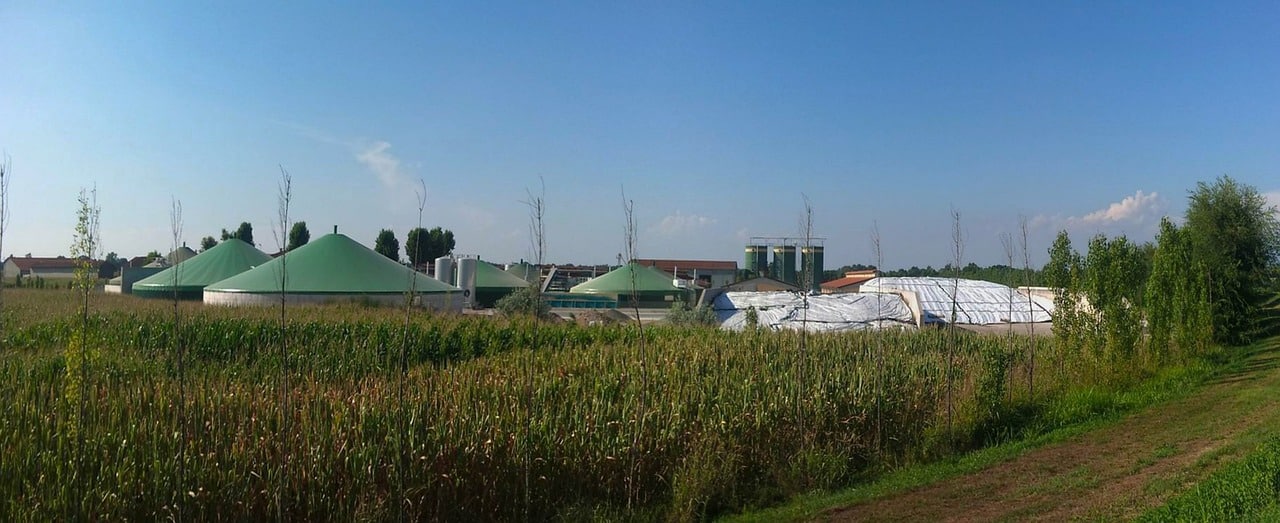
Using agricultural residues for biomass energy is the perfect example of circularity in action. When residues become feedstock for bioenergy rather than waste, farmers reduce disposal costs and cut methane emissions, while producing renewable heat or electricity.
However, planning is crucial. Biomass systems must be aligned with farm operations to avoid competition with food production and ensure long-term sustainability. Done well, they help close nutrient loops, improve soil health, and create new local markets for by-products – all vital ingredients for a circular bioeconomy.
4. Hydropower and geothermal – tapping local potential
Where water resources or geothermal heat are available, micro-hydropower and geothermal systems can offer stable, localised energy. Integrating small turbines into existing irrigation networks – using Pump-as-Turbine (PAT) technologies – allows farmers to generate electricity without building large dams. In greenhouses, geothermal energy can provide low-cost, low-carbon heating year-round, especially when combined with heat pumps or irrigation systems for maximum efficiency.
These site-specific solutions illustrate a key principle of HarvRESt: the right mix of technologies must reflect local geography, resources, and needs.
5. Knowledge, training, and cooperation – the social engine of transition
Across all renewable systems, it is important to remember that people make the transition work. The effectiveness of renewable integration depends on farmers’ skills and confidence, as well as access to trusted information. Training is therefore essential.
When farmers share ownership through energy cooperatives or local partnerships, they not only reduce individual risk but also build collective capacity for innovation. This social infrastructure is what turns technological potential into practical transformation.
6. Energy integration as part of whole-farm climate strategy
Renewable energy must complement, not replace, other climate-smart farming practices. Integrating RES into a wider farm strategy – one that includes manure management, intermediate crops, and agroforestry – can amplify climate benefits. Together, these approaches cut emissions and enhance soil carbon sequestration, which also improves long-term productivity. This systems perspective is central to Climate KIC’s approach: innovation succeeds when it connects technical solutions with behavioural, financial, and policy change.
From best practices to systemic change
The lessons emerging from HarvRESt reveal that integrating renewable energy in agriculture is step toward a more resilient food system. By combining technological innovation with social learning and policy alignment, farms can evolve from passive energy users into active energy producers and community hubs for the clean-energy transition.
At Climate KIC, our role as a partner is to bridge these levels of change – from farm fields to funding systems – helping ensure that solutions tested locally can be scaled and replicated across Europe.
Join the movement for resilient, regenerative food systems
We’re building a movement for resilient, regenerative food systems by bridging the gap between policy, innovation and practice. From supporting farmers in adopting climate-smart agriculture and renewable-energy solutions, to facilitating dialogue between policymakers and practitioners at the European Carbon Farming Summit, Climate KIC is demonstrating that sustainable agriculture is practical, scalable and economically viable.
Whether you’re a farmer pioneering new practices, a researcher developing innovations, an organisation committed to climate action, or a supporter interested in transforming food systems around the world, we want to hear from you. Visit our #FoodFutures hub to learn how you can partner with us – and join our dedicated Farmers Network to shape the future of agriculture.
This is an edited version of an article originally published on the HarvRESt project website.